Understanding the concept of shade
Blinds are an important part of the interior and exterior decoration of any building. Their main purpose is to protect against direct sunlight and regulate the amount of light entering the room. In addition to protecting against the sun, they also have a privacy function, as they prevent views from outside. They are used in residential and commercial buildings, often also in industrial premises, where protection against weather conditions is important.
They come in a variety of shapes, materials, and operating systems. Choosing the right shade depends on several factors, such as the type of building, window placement, building orientation, and design and functionality preferences.
Types of interior blinds
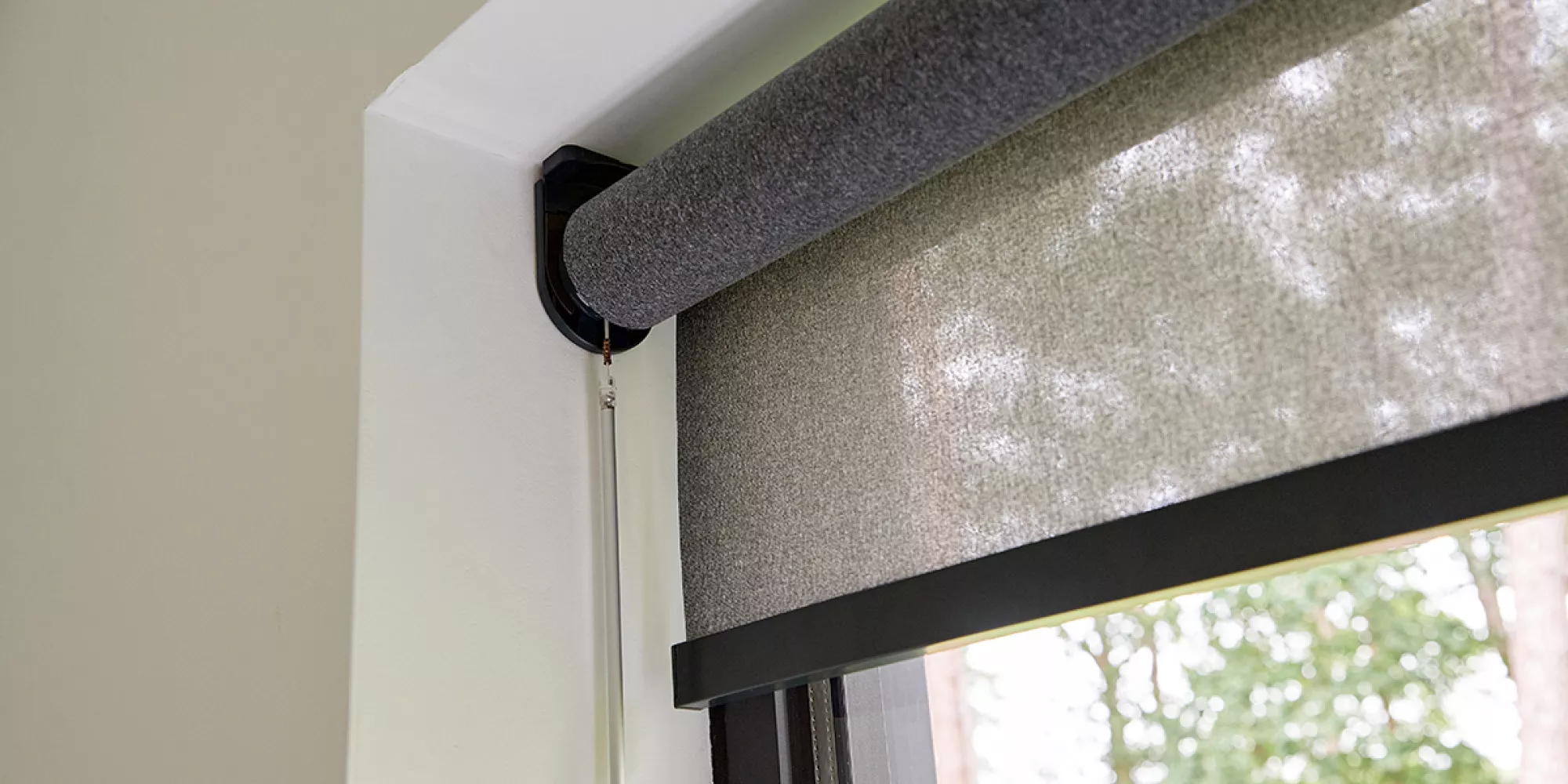
Interior blinds are installed on the inside of windows or glass surfaces. The most commonly used interior blinds are roller blinds, pleated blinds, venetian blinds, slatted blinds and panel blinds. Each type has its own characteristics and advantages. Roller blinds offer ease of use and clean lines, which is suitable for modern spaces. Pleated blinds allow greater flexibility, as they can be installed on various shapes of windows, including roof and round ones.
Blinds are a classic choice for many users, as they allow for precise light regulation. Slat curtains are often used in offices and larger glass areas, where aesthetic arrangement and functionality are important. Panel curtains also serve as a room divider or decorative element.
Advantages of outdoor blinds
Exterior blinds are the first line of defense against heat and strong sunlight. Their greatest advantage is that they prevent glass surfaces from overheating before the heat reaches the room. This reduces the need for air conditioning and contributes to the energy efficiency of the building.
Among the outdoor blinds, the most common are roller blinds, external blinds, screen blinds and pergolas. Roller blinds offer complete blackout and additional protection against noise. External blinds allow for extremely flexible light regulation. Screen blinds are mostly used in larger glazing and modern architecture. Pergolas offer protection on terraces and balconies and allow shading of larger outdoor areas.
Materials and maintenance
The materials from which blinds are made are crucial for their durability and efficiency. Interior blinds are most often made of textile, aluminum or PVC. Textile blinds require regular cleaning with a dry or slightly damp cloth. It is recommended to wipe aluminum components with a dry cloth from time to time, especially with powder-coated surfaces.
Outdoor blinds must be resistant to weather conditions such as rain, snow, wind and UV rays. For this reason, materials such as extruded aluminum, weather-resistant fabrics and high-quality plastics are used. Regular maintenance extends the life of the blinds and ensures optimal performance. For outdoor blinds, it is recommended to periodically check the moving parts and lubricate them if necessary, and remove any dirt from the guides and slots.
Automation and smart management
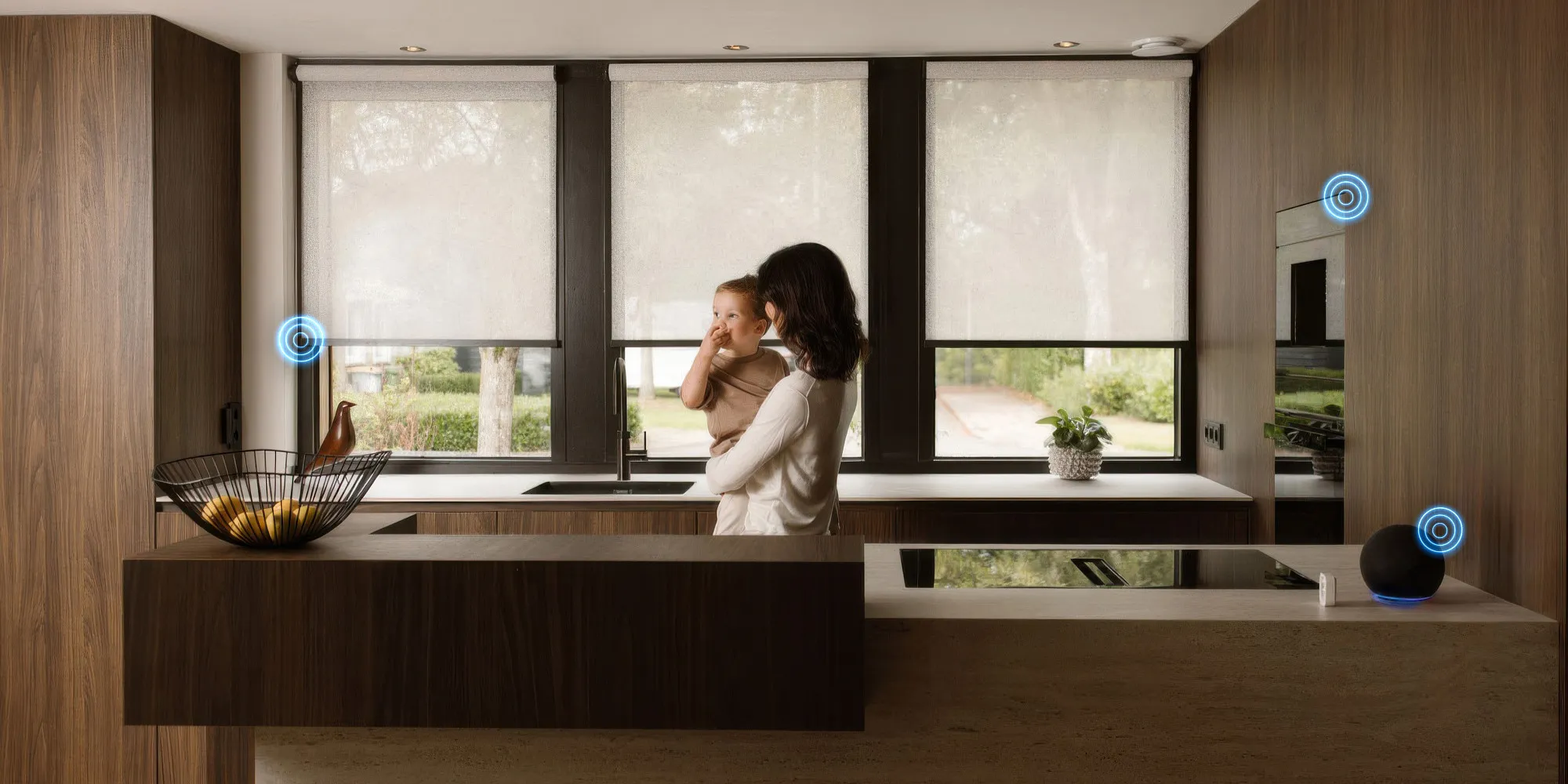
In recent years, electric blinds have become increasingly popular. Motors allow for remote or smart control via apps, timers or sensors. This provides more convenience, especially for blinds that are difficult to access or larger buildings where manual control is impractical.
Automated systems allow you to program the opening and closing of blinds based on the time of day, weather conditions, or sunlight. This contributes to better energy efficiency and greater security. Smart systems allow integration with other devices in a smart home, which increases efficiency and allows complete control over the lighting in the room.
The right choice for the right space
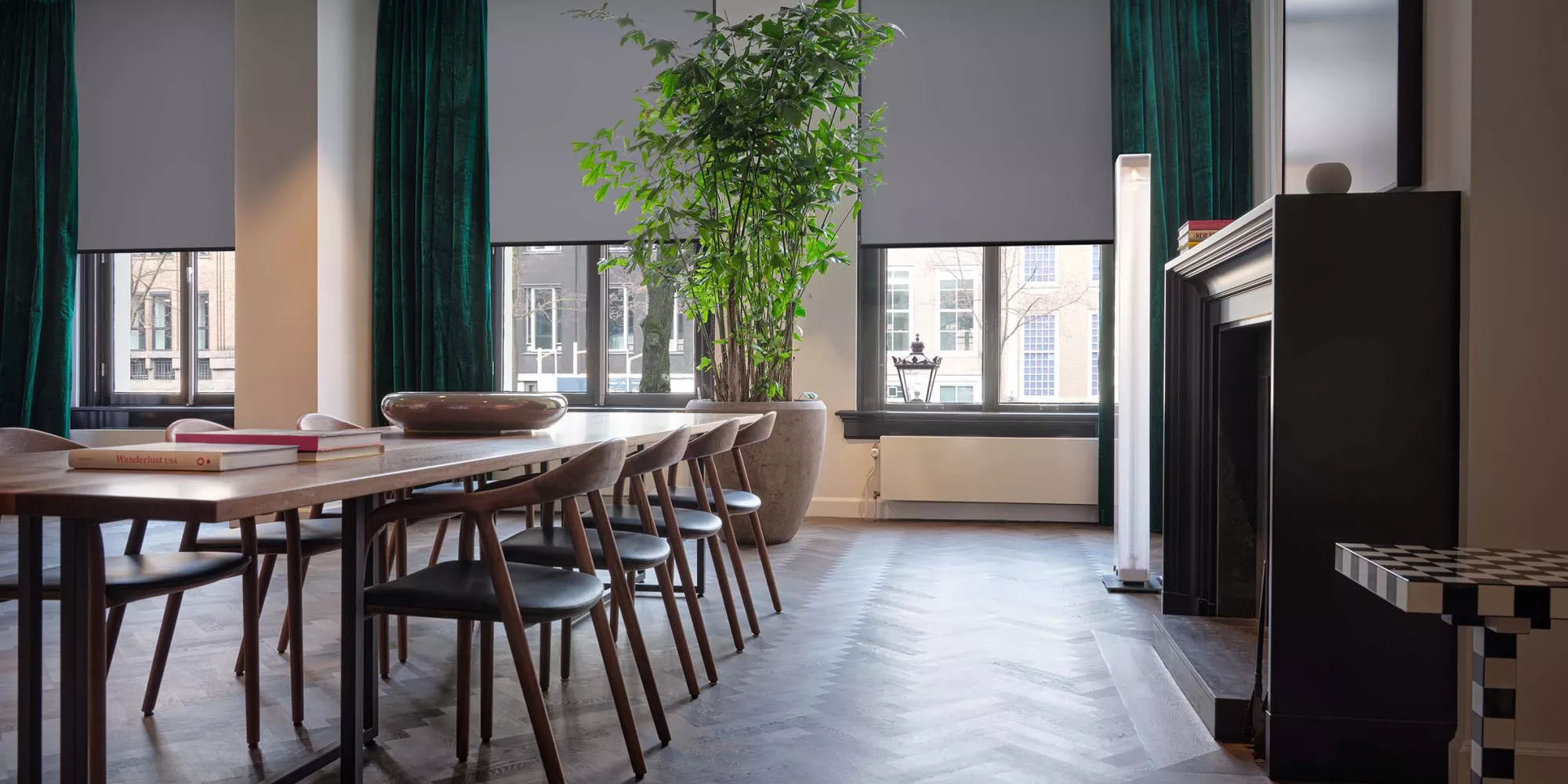
When choosing the right blind, it is important to consider functionality and aesthetics. In bedrooms, it is ideal to choose a blind that allows for complete blackout, while in living rooms, blinds that let in some light but provide privacy are more popular. For offices, solutions that reduce glare on screens are suitable, while in kitchens, blinds that are easy to clean are recommended.
Coordination with the interior design and color palette of the space is also important. Shades can emphasize the style of the space or act as a neutral element. In business premises, coordination with the exterior architecture and the overall image of the company is also key.