Blinds are not just a functional shade – they are a perfect solution for energy efficiency, light control and aesthetic appearance of your home or office. In this guide you will learn which types of blinds best suit your needs (internal, external, wooden or pleated), how to choose them according to the space and material, and how to properly install and maintain them. Don't miss the practical advice of Interlux experts for the optimal decision – from selection, price, motorization to warranty. Read more and discover why blinds are a smart investment for your home!
WHAT ARE BLINDS?
The blinds are shades consisting of slats that provide light control, privacy and insulation. There are several types - internal, external and other types.
INTERIOR BLINDS - MATERIALS AND APPLICATION
You can choose interior blinds from aluminum, PVC, wood or synthetic materials.
- Aluminum: Lightweight, durable, easy to clean – ideal for all spaces.
- Wood: It gives warmth and elegance, but we recommend it in dry rooms.
- PVC or synthetic fabrics: moisture resistant – suitable for kitchens and bathrooms.
EXTERNAL BLINDS - EFFICIENCY AND PROTECTION
External blinds are an extremely effective solution for protecting against heat, UV rays and external noise, while also making a significant contribution to the energy efficiency of a building. If you lower them in the morning, you prevent direct sunlight from heating the glass and interior - they can reduce heat gain by up to 76 % in the summer months.
In winter, they create an insulating layer that reduces heat loss – the DOE notes that exterior systems can save up to 12-14 % in heating costs. They also act as a noise barrier, as the materials and structure reduce external sounds. The combination of all these features contributes to a more stable living environment and significant annual savings.
OTHER TYPES: WOODEN, BAMBOO, DAY - NIGHT, PLEATED
- Wooden – natural look, more prestigious.
- Bamboo – an ecological and textural solution.
- Day-night (zebra) – allow light regulation with two layers of fabric.
- Pleats – accordion fabric, suitable for uneven window shapes.
WHY CHOOSE BLINDS?
Blinds allow the slats to be tilted, providing flexibility in terms of light and visibility. According to current analysis, horizontal or vertical are excellent for light and privacy.
They are also extremely energy efficient. Windows can lose up to 30 % of heat in the winter and gain about 75 % of heat in the summer. Good blinds, especially cellular/honeycomb versions, reduce energy costs.
Because blinds are available in various materials and colors, they also allow for excellent coordination with interior design: wood gives warmth, while aluminum, on the other hand, gives a modern look.
MORE ABOUT BLINDS
TYPES OF BLINDS - COMPARISON
INTERNAL AND EXTERNAL BLINDS
Internal blinds are a great choice if you want sophisticated aesthetic light control and flexibility for your interior space. They are mounted directly to the window sash or frame, allowing for a sleek, minimalist look, without additional structures on the facade. They are ideal for controlling light intensity and privacy in rooms, offices or living areas where you want a directed and soft lighting effect.
On the other hand, external blinds serve primarily as reliable protection against heat, UV rays and weather influences. It is known that external blinds can prevent overheating even before the heat enters through the glass and additionally contribute to the safety and energy efficiency of the building. External blinds prevent heat and UV rays already on the outside of the window, which significantly reduces heat intrusion and reduces energy costs.
Materials and slat shapes
- Aluminum – easy to maintain, durable.
- PVC – moisture resistance, easy cleaning.
- Wood – more delicate, yet elegant.
The shapes of the slats (C, Z, T) affect shading: wider slat shapes allow for better coverage.
Pleated blinds, screens, roller blinds – key differences
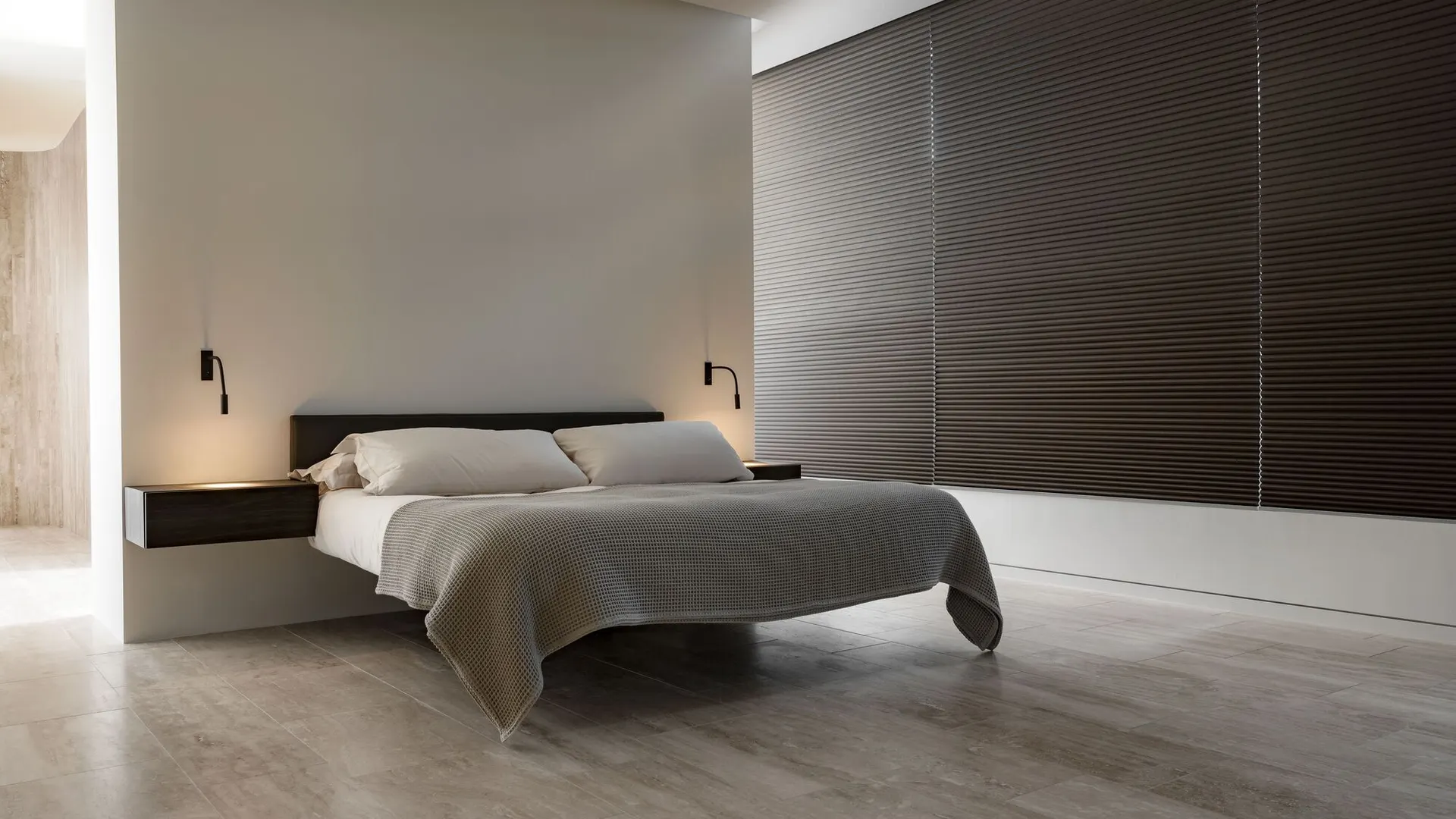
Pleats blinds are a practical and elegant solution for various types of windows, especially roof, panoramic and non-standard shapes. They consist of a folding accordion made of durable fabric that can be moved up and down - allowing precise control of light and privacy, as you can position the blind exactly where you need it. When fully folded, it becomes almost invisible, which preserves the view out of the window. Pleated blinds are available in many materials, including thermal insulation and blackout, so they are ideal for roof and combination windows, as they effectively protect against heat in summer and reduce heat loss in winter.
Screen blinds are outdoor blinds made of tightly woven PVC or fiberglass - designed to maintain optimal visibility to the outside while filtering strong sunlight. They act as effective protection against UV rays (up to 99 %) and heat, eliminating glare without completely obstructing the view out the window. The choice of colors and fabric density allows you to adjust the amount of light and privacy, and the screen is very durable and weatherproof, making it ideal for living rooms and rooms with a beautiful view.
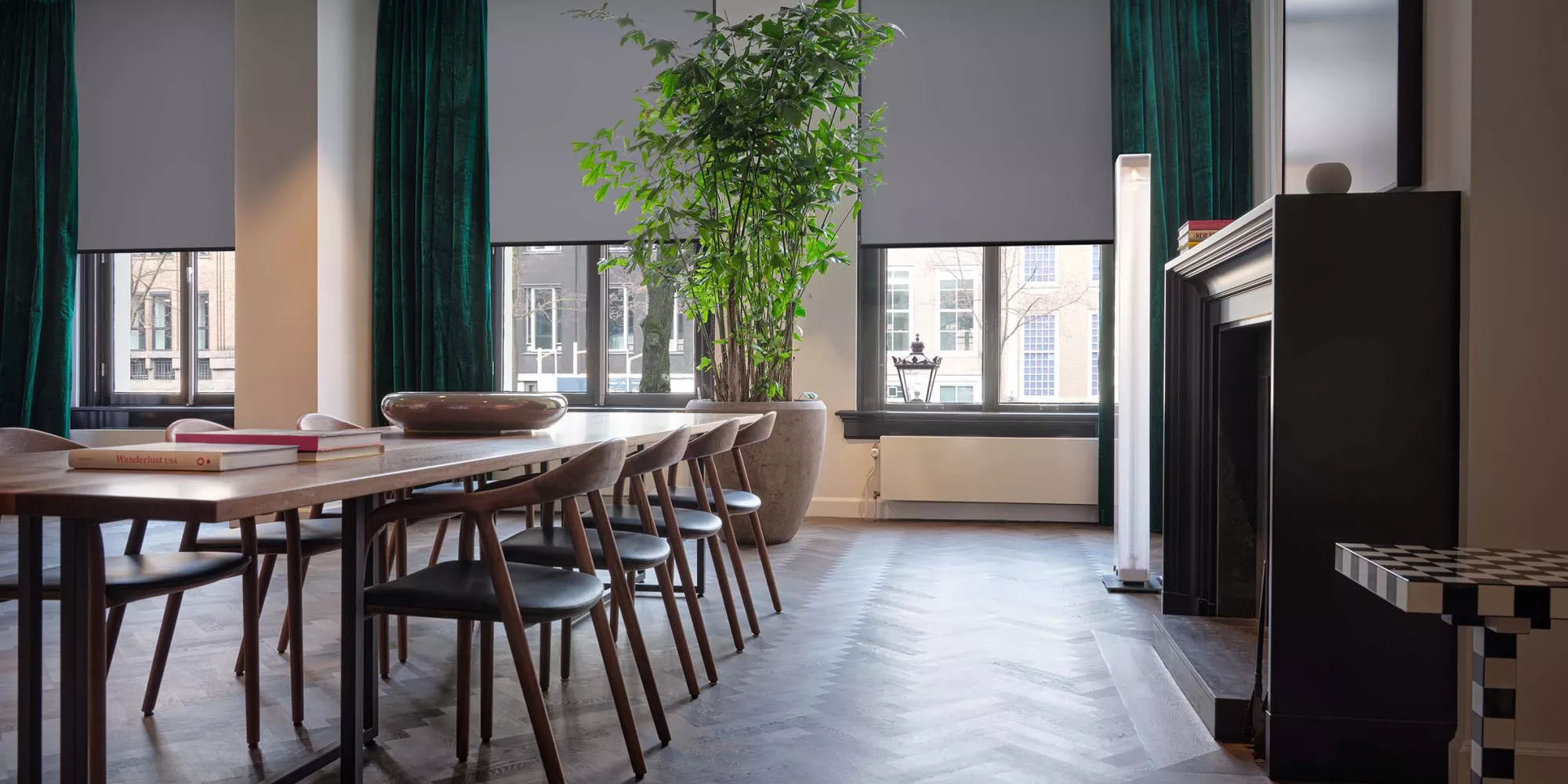
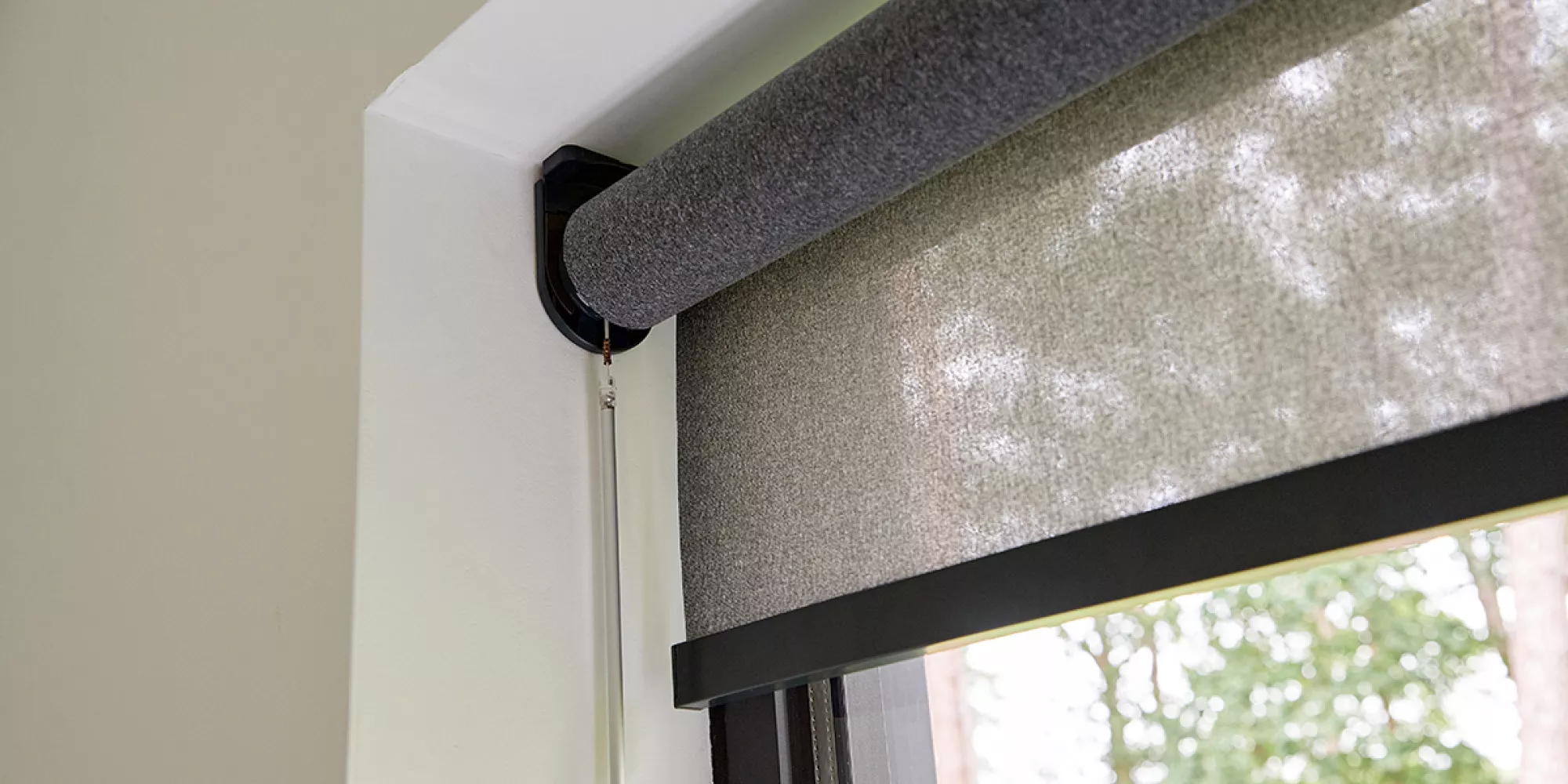
Roller blind Blinds are a simple, aesthetic and affordable choice for everyday use. They consist of a single fabric that is rolled up using a manual mechanism or motorization - they can be installed directly in the frame or above the window. They offer everything from transparent, filtering to completely blackout versions, allowing flexibility in terms of light and privacy.
HOW TO CHOOSE THE RIGHT BLINDS?
Use – home, office, weekend house
- For offices It is recommended to choose aluminum or PVC for easy maintenance.
- Homes require aesthetic variants – wooden or day-night.
- Weekend houses – resistant external blinds and screen material for protection.
Window design and installation
- At standard windows You can choose between surface-mounted or concealed (concealed) installation.
- For skylights or unusual windows (e.g. trapezoidal shapes) we recommend pleats.
Control: manual, motorization, smart solutions
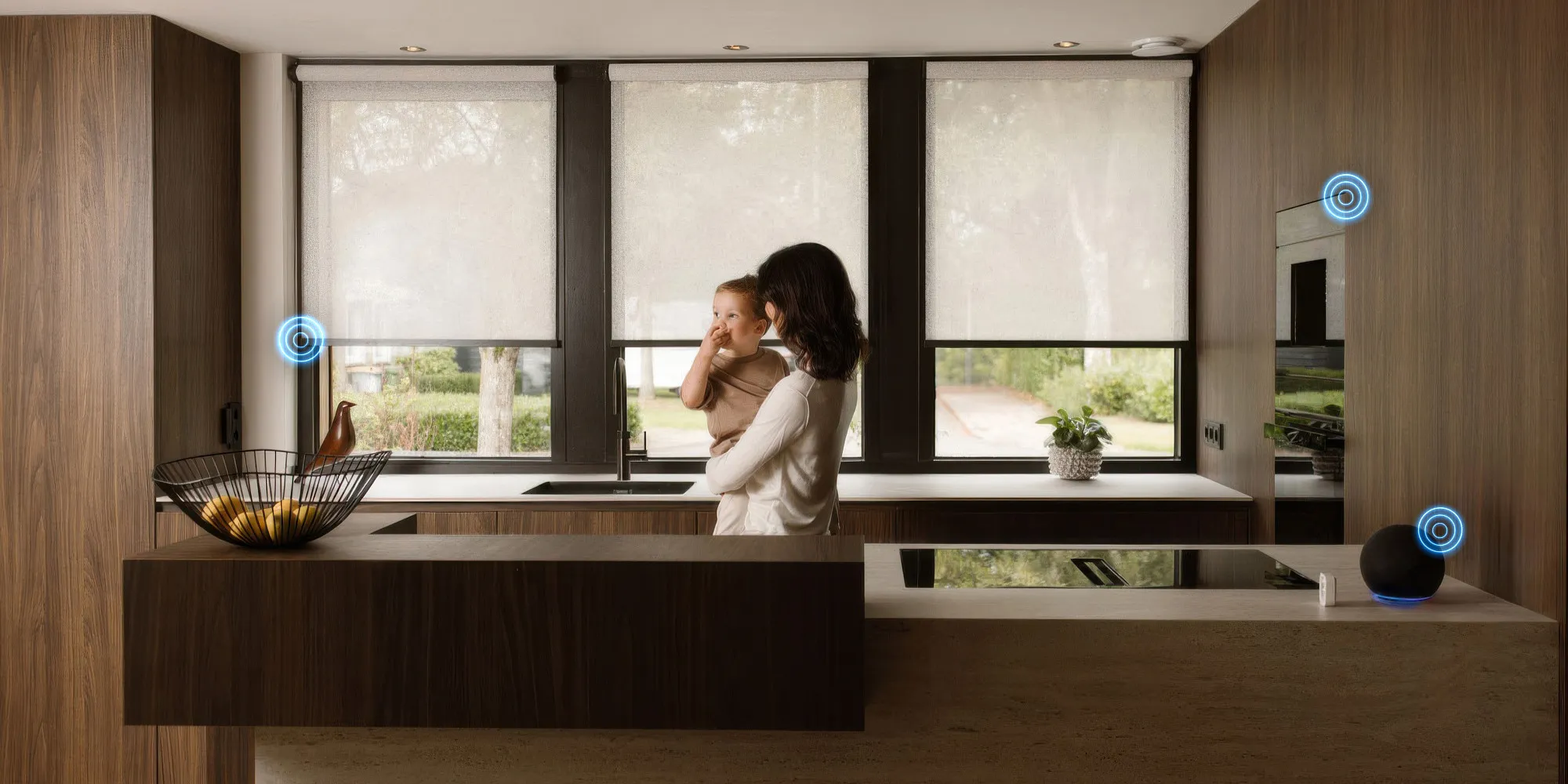
Motorized Blinds can be controlled with a remote control or smart home - suitable and convenient for large or high windows.
INSTALLATION AND MAINTENANCE
CORRECT INSTALLATION
- Measure accurately – an error of ± 3 mm can cause light gaps.
- Use appropriate lifting equipment depending on the type of installation.
- Test the appearance and functionality.
cleaning and maintenance
- Aluminum and PVC: wipe with a damp cloth.
- Wooden: use a dry cloth or a vacuum cleaner with soft attachments.
- Pleated blinds and fabrics: deep cleaning recommended 1–2 times a year.
price and investment
Internal aluminium blinds start at around €40 for a standard window, while wooden blinds start at €100, reflecting the higher price of the material and aesthetics. However, if you are looking for external motorised blinds, be prepared to invest around €300, with the price rising rapidly depending on size, material and advanced features.
Although the investment may seem higher at first glance, it pays off in the long run: quality blinds can reduce heating and cooling costs by up to 30% per year. At the same time, they add durability, comfort, and help increase the value of your property.
FREQUENTLY ASKED QUESTIONS AND ANSWERS
- How to clean blinds?
Wash aluminum with a damp cloth, and wood carefully with soft materials. Leave the pleated blinds to the service. - Are blinds suitable for humid rooms?
Yes – PVC and aluminum are ideal for bathrooms and kitchens. - What to do in case of strong wind or hail?
External blinds are usually designed to withstand wind speeds of up to 100 km/h and hail – check the type of slats. - What to choose: internal or external?
For energy efficiency and protection against light intrusion, external ones are best, while internal ones are best for design and light management.
MORE THAN JUST AESTHETIC SHADE
Blinds provide much more than just shading. With adjustable slats, they allow precise control of light and privacy, improving living comfort. Their excellent energy efficiency reduces heat loss in winter and overheating in summer, which has been proven to reduce heating and cooling costs.
High-quality materials such as aluminum, wood or PVC ensure weather resistance, easy maintenance and a long service life. In addition, they aesthetically enhance the space and can increase the value of the property by 1 % to 3 %. Appropriate selection, professional installation and automation further increase their functionality and investment value.