External blinds – complete protection from the sun and weather
External blinds are an extremely popular solution for shading windows in buildings where both functionality and aesthetic appearance are important. They are becoming a fixture on the facades of Slovenian homes, commercial buildings and even industrial facilities. Their main task is to protect against sunlight, reduce the heat load of interior spaces and improve the energy efficiency of the building.
Because blinds are installed on the outside of windows, they intercept the sun's rays before they reach the glass surface. This prevents the interior from heating up and reduces the need for air conditioning. In addition, they allow the user to regulate the light without completely blocking the view or light in the room.
Types of external blinds
The most common types include classic Z- or S-shaped slats and standard C-slats. Each of these variants has its own advantages. C-slats are easy to rotate due to their shape and allow for good light control, while Z-slats offer greater sealing and darkening of the room. S-slats are aesthetically pleasing and quieter when closing.
Choosing the right type of blinds depends on the user's requirements, the type of building and the direction the windows face. The correct choice ensures the optimal balance between shading, room brightness and privacy.
Advantages of external blinds
One of the most important advantages of external blinds is their resistance to weather influences. They are made of aluminum or combined materials, which ensure a long service life and minimal maintenance. They provide thermal insulation and prevent energy loss in the colder months, while reducing overheating in the summer.
Another advantage is their flexibility – they can be operated manually or electrically, with a single button or even automatically via smart systems. Such control adds comfort and a modern approach to living. In addition, external blinds are also good protection against unwanted views or even burglary, as they represent an additional barrier on the window.
Aesthetic value and adaptability
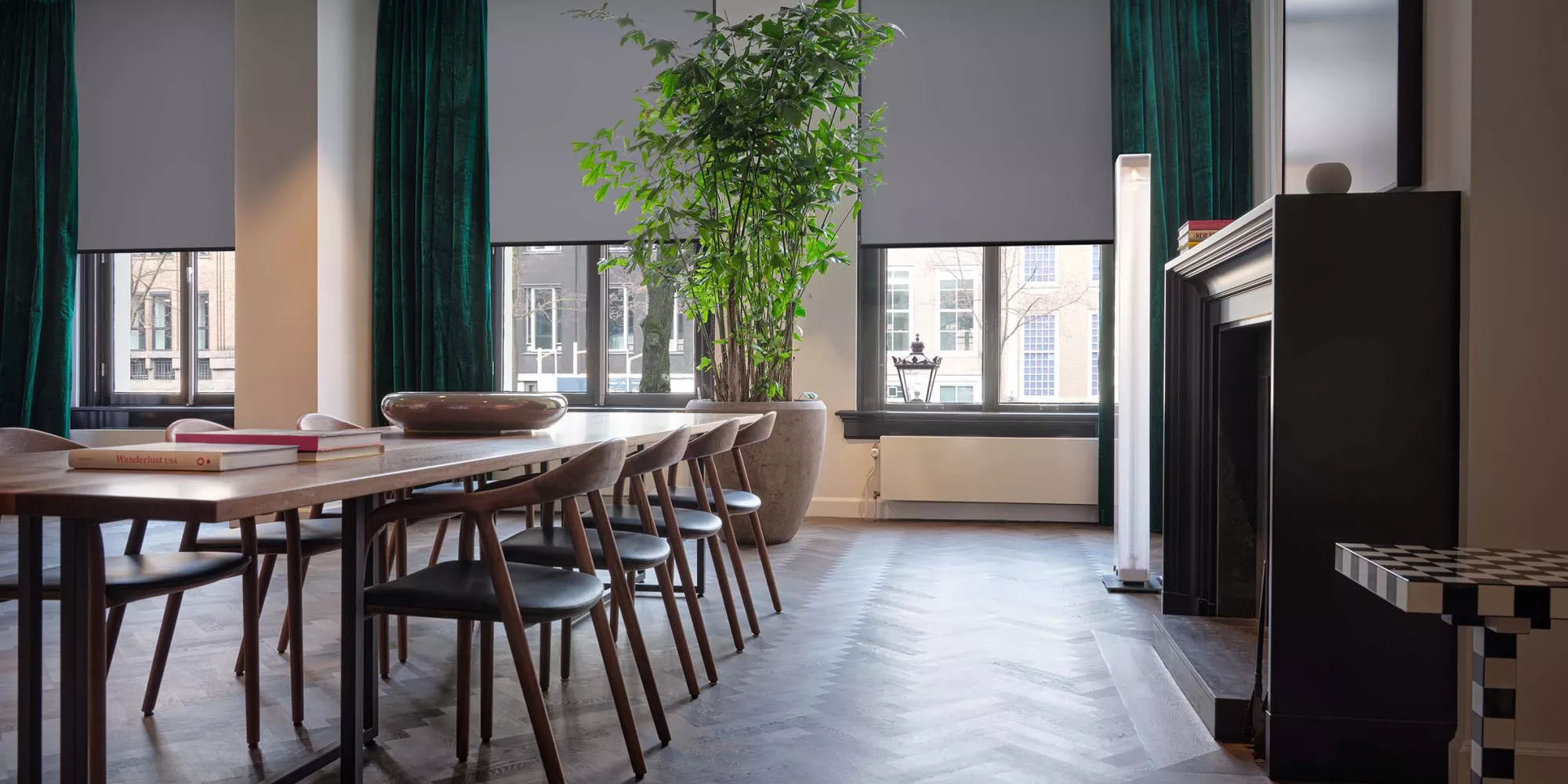
External blinds can quickly and effectively improve the overall appearance of a facade. They are available in various colors, dimensions and slat shapes, so they can be easily adapted to the architecture of the building. Whether it is a modern commercial building or a traditional residential building - blinds blend in with the exterior and complement it.
Most manufacturers offer a wide range of colors, from neutral grays and whites to darker anthracite and even bolder tones. You can also choose from different types of guides and masks, which can be adapted to the client's wishes and the technical requirements of the facility.
Installation and maintenance of external blinds
The installation process itself requires precision, so it is recommended that it be carried out by a qualified professional. Blinds can be installed under the facade (hidden guide) or above the surface (visible mask), depending on the building and the possibilities of adaptation. The systems also allow for later upgrades, despite the already completed facade, which is a common need in existing buildings.
Maintaining external blinds is easy. Regular cleaning of the slats is necessary, especially in spring and autumn, when there is more dust and pollen. It is also recommended to occasionally ventilate the systems and wipe the motor parts with a cloth if they are exposed to the weather. Regular inspection can prevent major failures and maintain the long life of the system.
Management and automation
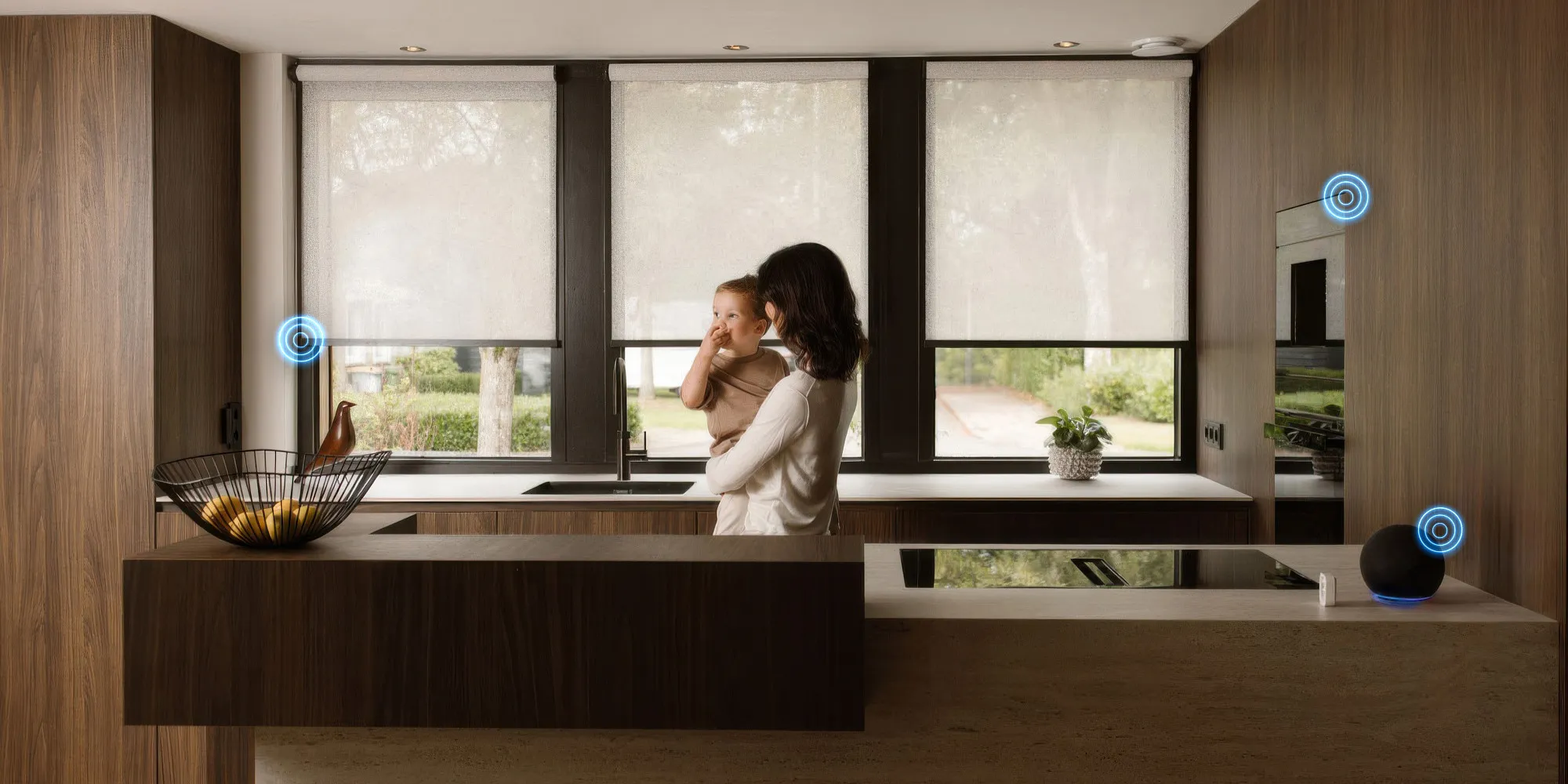
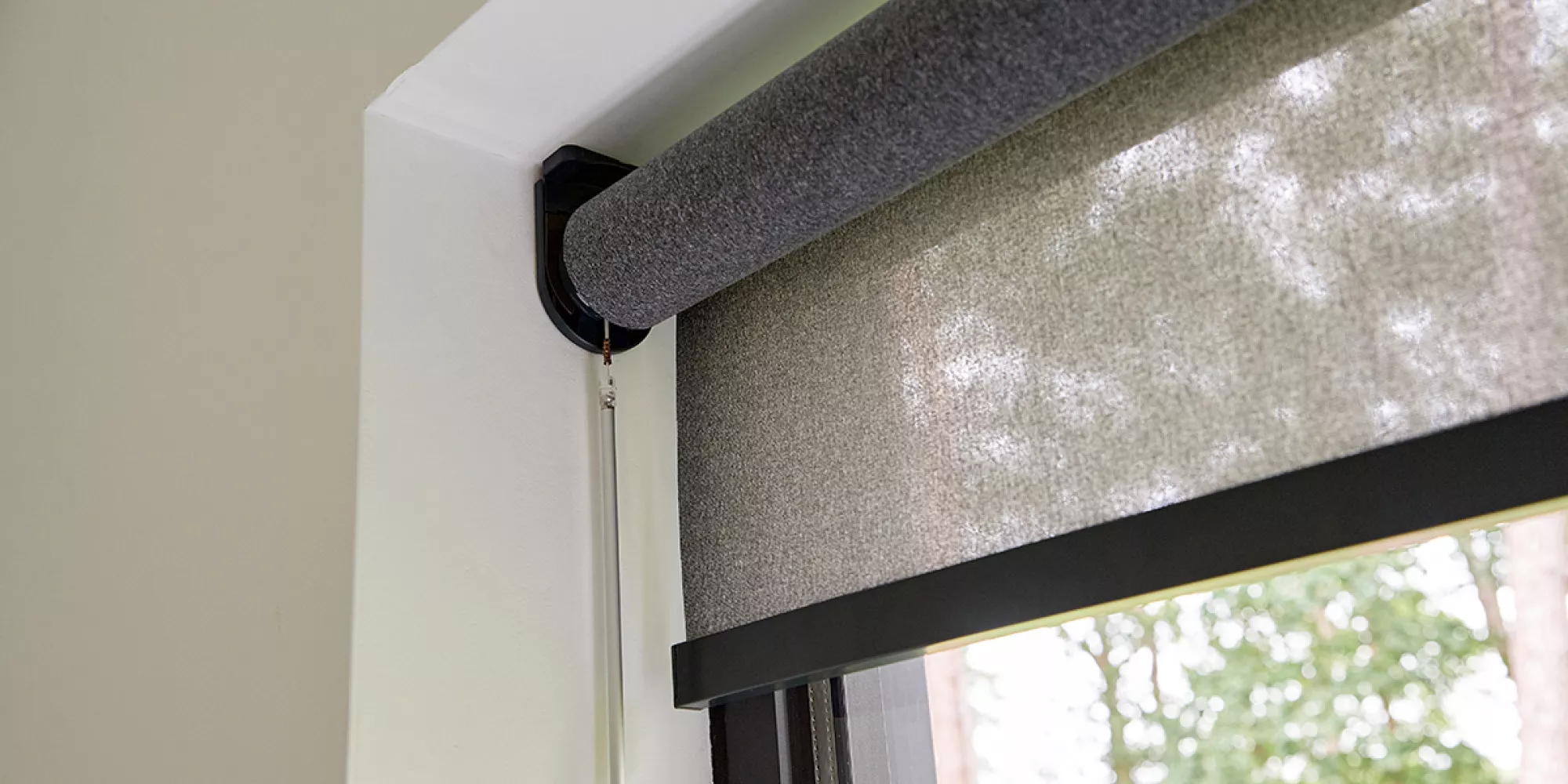
Today's blind systems offer advanced control options. The classic manual lifting with a strap or rod is slowly being replaced by an electric drive that can be controlled with a switch, remote control or even an app on a smartphone. This allows for greater flexibility, especially in larger buildings where windows are difficult to access.
In addition to manual and electric control, full automation with light, wind or temperature sensors is increasingly popular. In strong sunlight, the blinds are automatically lowered, and in windy weather they are raised to prevent damage. This extends the life of the product and increases user comfort.
Integration into smart systems is also possible through central house control (so-called smart houses), which allows connection to other units, e.g. heating, lighting or security systems.
Common dilemmas when choosing blinds
When deciding on external blinds, customers often wonder whether to choose a manual or electric drive. The electric system offers more comfort, but is a slightly higher initial cost. In long-term use, however, the investment is often justified due to the functionality and automation options.
Another common question is choosing the right type of slats. As mentioned, C, Z and S are the most common. When complete blackout or sound insulation is important, we recommend Z slats, while C slat solutions are suitable for facades where more visual openness is desired.
In addition to these issues, the design of the building also plays a major role. Therefore, before making a final decision on external blinds, it is recommended to consult with an expert who can assess all technical options and advise on optimal solutions.
Our company cooperates with manufacturers who guarantee quality and longevity, so we can always offer our partners reliable options for their projects.