Understanding the importance of interior blinds
Interior blinds are one of the key elements in creating a comfortable and pleasant space in any home or commercial building. Their main function is not only to protect against sunlight, but also to provide privacy and control the temperature in the room. Nowadays, there are many types of interior blinds that suit different needs, tastes and living styles.
When we think of interior blinds, we usually imagine classic curtains, but the market has evolved a lot. Today, we find many modern solutions that allow for an aesthetic and functional upgrade of spaces. Interior blinds represent a combination of decorativeness and technical efficiency, which makes them a popular choice for all types of interior environments.
Types of interior blinds and their properties
The most common types of interior blinds include roller blinds, pleated blinds, venetian blinds, duette blinds, and slatted blinds. Each type has its own characteristics, differing in the degree of shading, method of operation, and appearance.
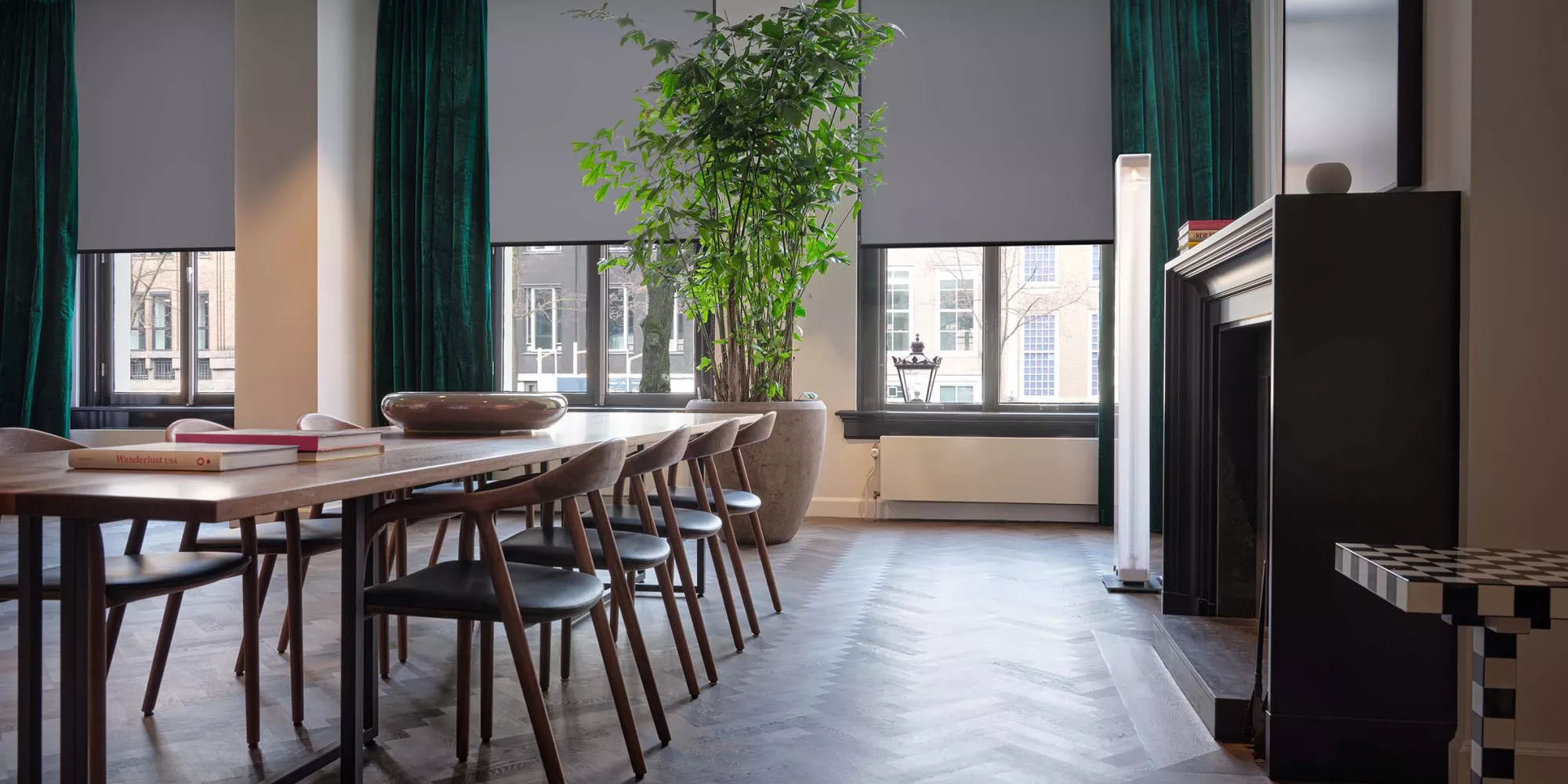
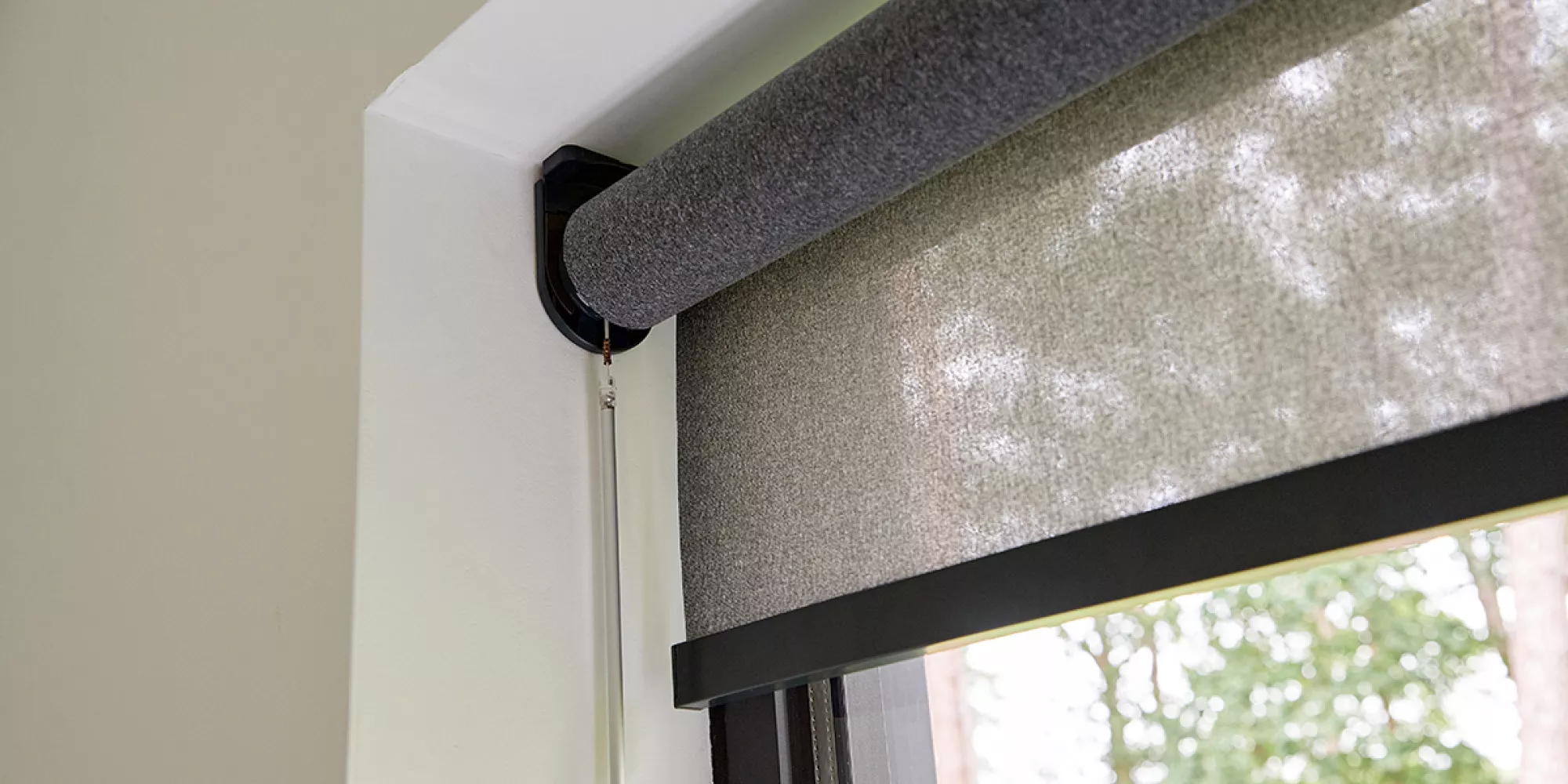
Watches are a simple and effective solution. They consist of a fabric that is wound onto a tube and allows for easy height adjustment. They are available in a variety of fabrics – from translucent to completely blackout, making them a suitable solution for both living rooms and bedrooms.
Pleated curtains They adapt to different window shapes and offer exceptional flexibility. Their special feature is that they fold into an accordion, which allows for very precise light regulation. With various combinations of colors and patterns, they allow for aesthetic harmony with the space.
Blinds, whether aluminum, wood or PVC, allow precise control of light due to the possibility of turning the slats. They are characterized by a long service life and easy maintenance, which is why they are a popular choice for offices and apartments with a modern look.
Duette shades They offer excellent thermal insulation and are known for their cellular structure. With an air layer between the layers of material, they contribute to better energy efficiency of spaces, which makes them very suitable for passive houses and apartments with large glass surfaces.
Slat curtains They are particularly useful in larger rooms or offices. Their upright slat structure allows for quick adjustment of the amount of light, while still maintaining a professional and tidy appearance.
Materials and their role
When it comes to interior blinds, materials play a key role, influencing both functionality and aesthetics. The decision to choose textile, metal, or a combination of materials depends on the desired effect and the purpose of the space.
Textile shades provide a pleasant and soft look to the room, while metal ones offer a more industrial approach and high resistance. Synthetic materials are easy to maintain and often more affordable. When choosing fabrics, it is also worth considering moisture resistance, UV protection and possible antistatic properties.
Some materials also provide acoustic benefits and improve sound insulation, which is especially important in commercial spaces or apartments in urban areas.
Management and automation
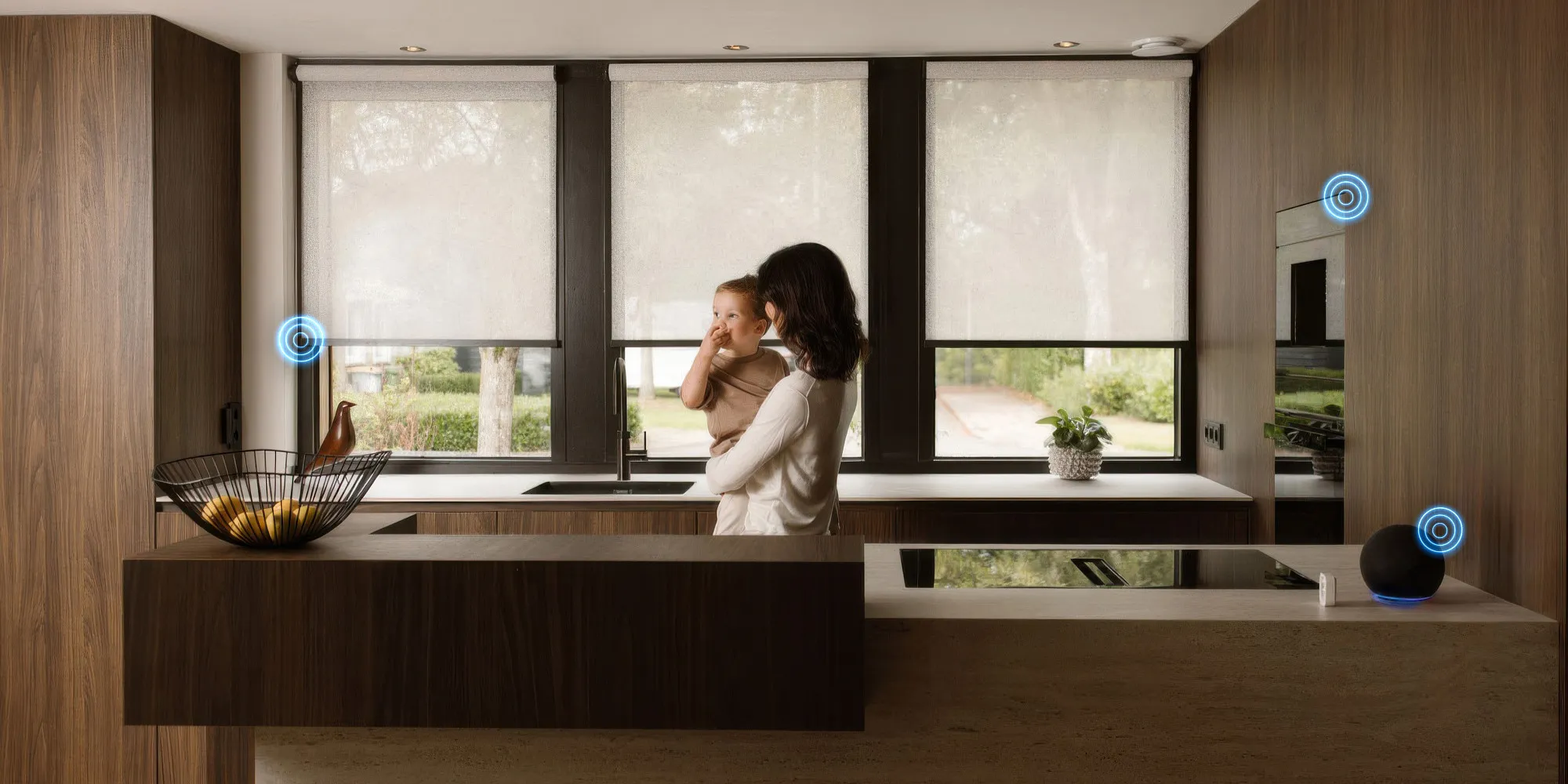
In the past, interior blinds were mostly manually operated, but today motorized systems and smart solutions are becoming increasingly popular. Using a remote control, wall switch or mobile app, you can adjust the blinds from the comfort of your couch.
Automation allows you to program your shades based on the time of day, the amount of light, or the outside weather conditions. This not only improves the user experience, but also contributes to better energy efficiency of the building.
Smart systems also allow you to connect blinds to other smart home devices, such as thermostats, lights, and sensors, allowing complete control over the ambiance and comfort of your home.
Aesthetic impact on space
Interior blinds have a significant impact on the appearance of a space. With the right choice of colors, materials and shapes, they can complement interior design or become a central decorative element in a space. Modern trends tend towards minimalist shapes, natural colors and textures, but there are many options for more expressive choices.
Shades can visually enlarge a space, emphasize the height or width of windows, or provide contrast that brightens up a space. It is important to work with an interior designer or consultant who knows how to combine functionality and aesthetics.
The ability to choose personalized solutions in measurement, color palette and material type gives a lot of freedom in creating an individual ambiance that reflects the user's personal style and needs.
Tips for choosing the right interior blinds
When choosing interior blinds, we always start from the function of the room. In the bedroom, we look for blinds that darken the room well, in the kitchen, more practical solutions that are easy to clean. If it is an office or living room, where light is important, we combine different types of blinds or use solutions that diffuse light without complete dimming.
It is also important to consider the orientation of the windows, the surface area of the glass surfaces, and the type and color of the furniture. Consulting with experts provides us with relevant information regarding materials, prices, and performance of blinds, which helps us in making the final decision.
By choosing the right interior blinds, we can create a pleasant and functional environment that suits our lifestyle, while also contributing to energy efficiency and a better sense of well-being in the space.