A comparison of Motionblinds battery-powered and wired motors explains the differences in installation, power supply, control and use, and describes built-in batteries, charging frequency and how to estimate battery life.
Read this in one minute
What's new?
- This article compares Motionblinds battery-powered motors and wired motors. It explains the differences in installation, power supply and use, and helps identify the most suitable option.
What you need to know
- Battery-powered motors: Powered by a rechargeable battery, usually charged via a USB-C port. No fixed electrical wiring is required. Occasional charging is necessary.
- Easy installation: Battery-powered motors are suitable for existing buildings where electrical wiring is not available. Installation is less complex.
- Wired motors: Connected directly to the mains power supply. No recharging is required. Electrical wiring is needed during installation.
- Continuous power supply: Wired solutions provide a constant power supply. Installation may require professional assistance.
- Flexibility of use: Battery-powered motors are practical for retrofitting, while wired motors are suitable for new builds or large projects with planned infrastructure.
Key takeaways
- The choice between battery-powered and wired motors depends on the building's infrastructure and project requirements. Battery-powered solutions offer flexibility and simpler installation, while wired motors provide continuous power without the need for routine charging.
- This comparison is relevant to installers, project developers and homeowners choosing between the convenience of retrofitting and integrating a permanent power supply.
Navigating the world of smart shading solutions can be challenging, especially when choosing between battery-powered and wired motors for your Motionblinds system. Each option offers unique benefits and considerations that affect everything from installation to maintenance. In this comprehensive guide, we will break down the key differences between battery-powered and wired motors, explore how battery integration works, and explain how often you will need to charge a battery-powered system. Whether you are upgrading your current setup or choosing a new smart window shading system, this guide will help you make an informed decision tailored to your specific needs. Read on to discover more.
Battery-powered motors versus wired motors: key differences
Battery-powered motors have a built-in rechargeable lithium battery, making them easy to install without complex electrical wiring. They offer flexible control via a remote control, smartphone app, voice commands or manual operation. In contrast, wired motors connect directly to the mains power supply and require professional electrical installation. Wired motors provide a constant power supply without the inconvenience of recharging and can be operated using wired switches, remote controls, apps or integrated building automation systems. The choice between battery-powered and wired motors depends on your installation preferences, maintenance requirements and desired control options.
Battery-powered motors for residential use
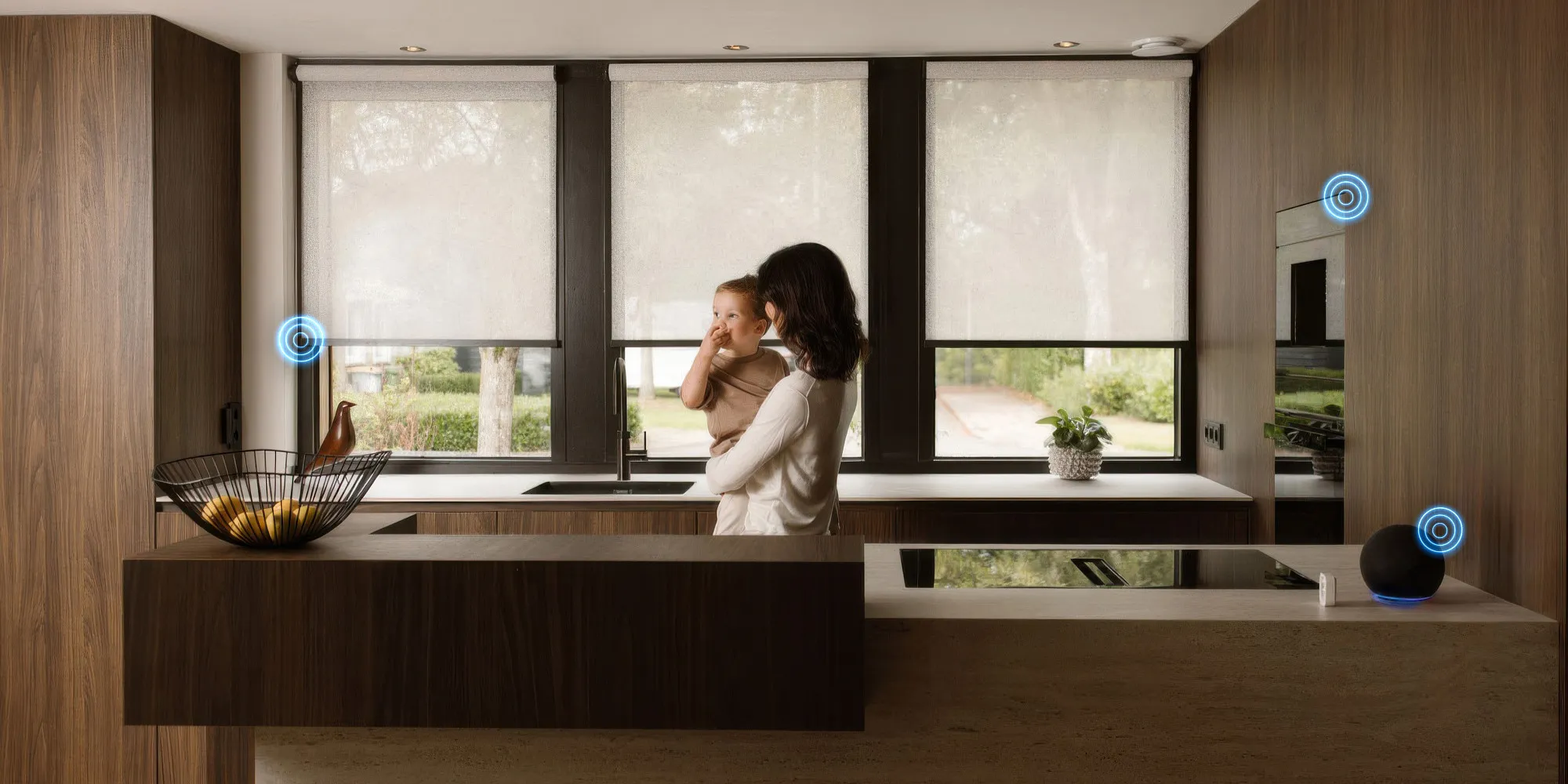
Battery-powered motors are ideal for residential settings, especially homes with a limited number of windows. They offer hassle-free installation, similar to traditional manual blinds, and eliminate the need for invasive electrical wiring work. This makes retrofitting existing homes with smart motorised window coverings simple and convenient. Battery-powered motors offer flexible control via wireless remote controls, smartphone apps and smart home integrations, while also allowing manual operation using a pull cord or wand. However, in luxury homes or larger buildings with many windows, battery-powered motors may be less practical due to the need for occasional charging with a USB-C cable.
Wired motors for high-end residential and commercial use
Wired motors are well suited to high-end residential properties, commercial buildings and large-scale installations such as hotels and office spaces. Their connection to the mains power supply eliminates the need for recharging and ensures continuous, reliable operation. Wired motors offer high durability and can be controlled in various ways, including wall switches, remote controls, apps or integrated building automation systems. They are an excellent choice for new builds or existing homes with pre-installed electrical wiring at the windows, providing a seamless, long-term solution for demanding window shading requirements.
Battery integration in Motionblinds motors
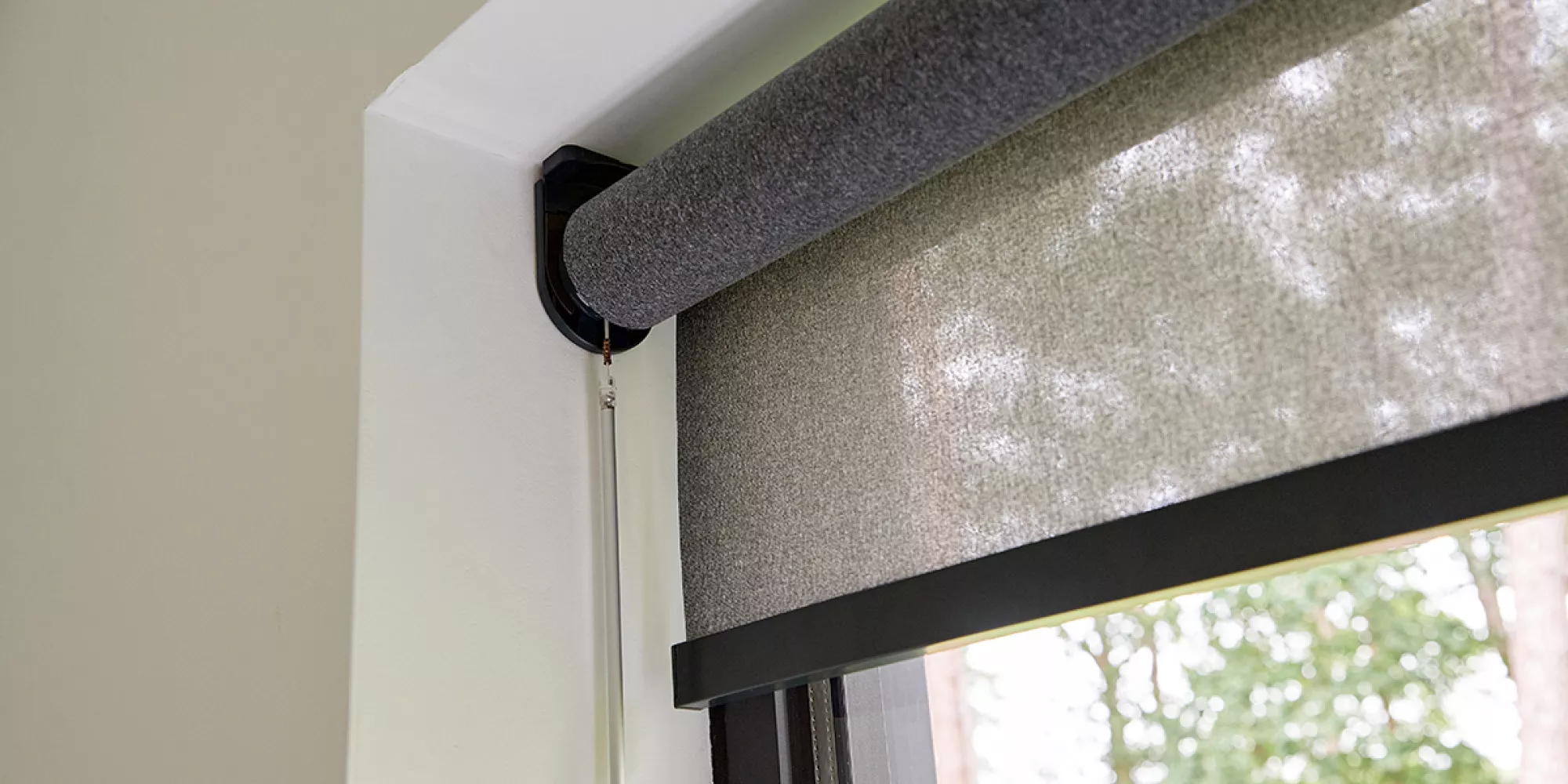
Motionblinds stands out for its integrated battery technology. Most motors have a built-in lithium battery concealed within the motor, ensuring a sleek, wire-free appearance. The built-in battery charges via a USB-C port, much like a smartphone, allowing seamless installation and wire-free operation. Benefits include easy installation without electrical wiring and convenient charging with a USB-C cable or power bank. Enjoy the convenience of wireless control via a remote control, app or voice commands, as well as manual operation.
Charging your battery-powered motor
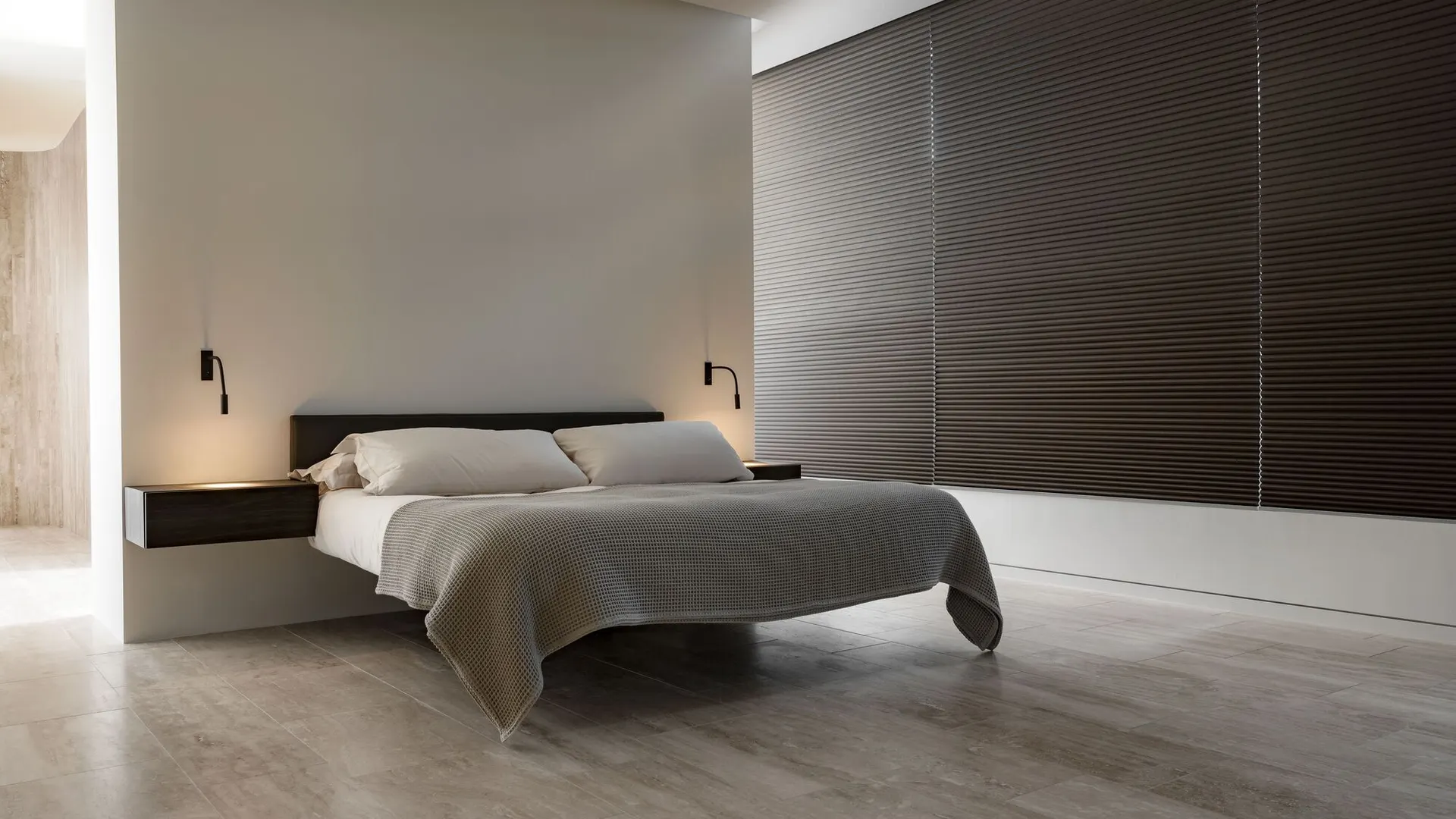
How often smart blinds need charging varies depending on battery type, usage, blind size and environmental factors. Motionblinds motors typically run for six to twelve months on a full charge. Heavier or frequently used window coverings, such as Venetian blinds or top-down/bottom-up honeycomb blinds, may require more frequent charging. Battery life depends on how often the blinds move and their size—larger, heavier blinds consume more energy. To estimate battery life, consider the number of cycles (complete movements) your blinds perform before recharging is required.
Estimating battery life and performance
To estimate battery life, consider two main factors: usage and blind size. Battery life depends on "cycles" (a complete up-and-down movement) and "drop" (the height of the blind). Larger blinds with a greater drop consume more energy and need charging sooner. Each Motionblinds motor has a specific formula for estimating how many cycles it can perform before recharging is required, allowing an accurate calculation of battery life for your window coverings.
Motionblinds battery life indicator
Motionblinds battery-powered motors have a battery status indicator in the app and a red LED light that warns of a low charge. This makes it easy to monitor the battery level and recharge before it runs out. Batteries also self-discharge when not in use, so it is important to charge them at least once a year to maintain performance. Charging with a USB-C cable and a 5V/2A charger takes approximately eight hours, but the motor continues to operate while charging.
Source: Motionblinds