Why choose outdoor blinds?
Exterior blinds are essential for protecting your home from the elements, sunlight and prying eyes. Their main advantage is that they prevent the interior from overheating even before the glass surface. Since the heat is reflected before it even touches the windows, the room remains pleasantly cool even in the hottest months.
In addition, external blinds are excellent protection against noise and wind, while increasing the privacy of a home or business space. Their use makes sense in both residential and commercial buildings. Since they can be operated manually or automatically, they allow for complete customization according to the needs of the users.
Modern materials and advanced manufacturing technologies ensure a long service life and easy maintenance. Several types of blinds are available, ensuring aesthetic appearance and functionality at the same time.
Types of outdoor blinds
There are several types of outdoor blinds on the market, which are selected based on the desired features, the shape of the building and the surroundings. Among the most popular are outdoor blinds, roller shutters, screen blinds, pergolas and shutters.
External blinds, also known as "slatted blinds", allow for very precise light regulation. The slats can be tilted at different angles, which means that we can optimally direct the light in the room without glare. They also serve as mechanical protection against weather influences.
Roller shutters are known for their ease of use and excellent insulating properties. They offer a high degree of blackout and protection against heat and cold. When installed with light or rain sensors, they can automatically close and open.
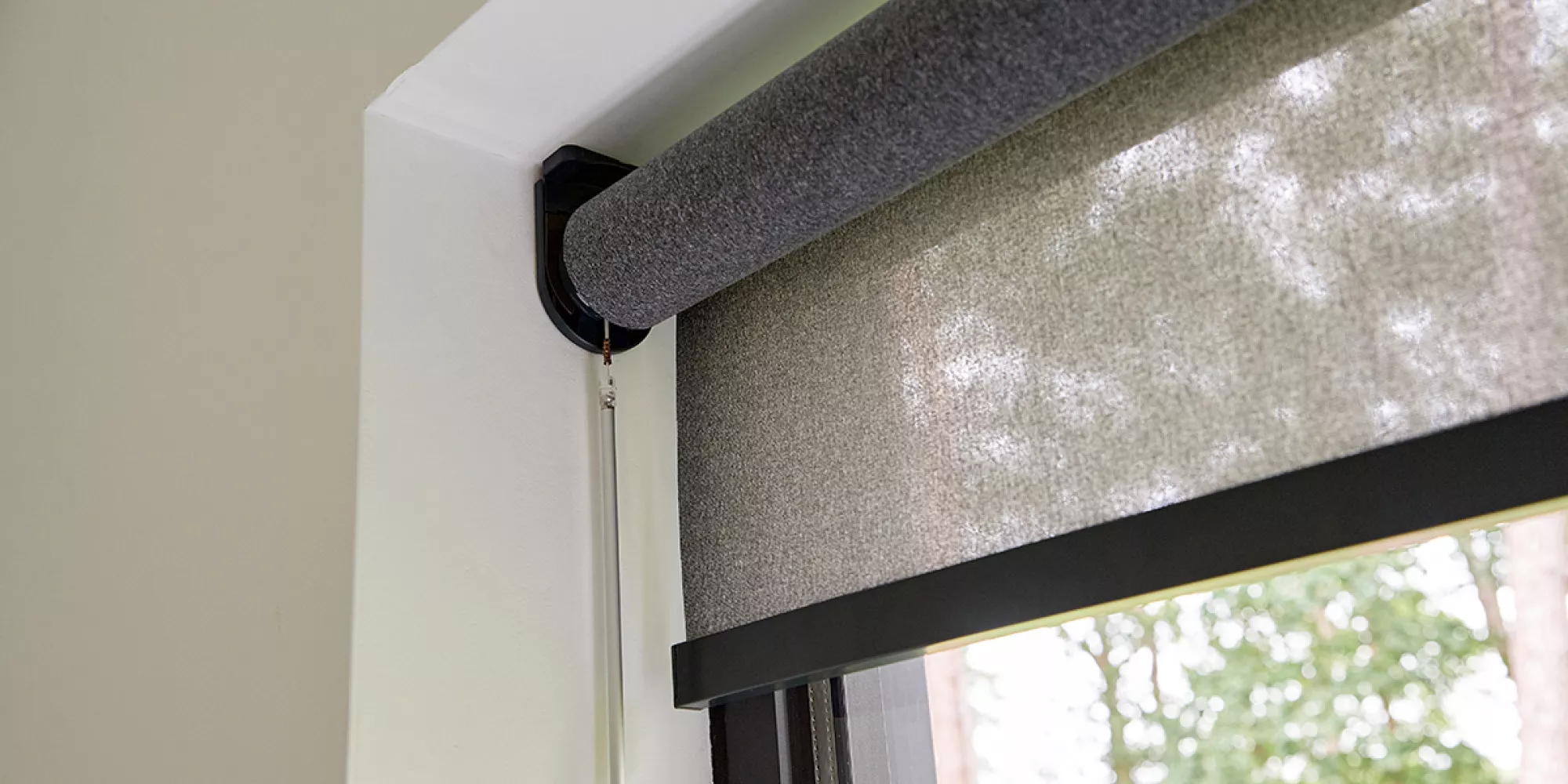
Screen blinds They are popular for their modern look, especially in contemporary architecture and commercial buildings. They are made of special fabrics that reflect heat and UV rays, while still allowing a view outside.
Pergolas with shades They are the ideal solution for creating pleasant shade on terraces or gardens. They are usually equipped with movable canvases or slats that can be adjusted as desired. They are also an interesting architectural addition to the building.
Shutters They are the most classic form of awning, offering a traditional look and effective protection. Today, modern aluminum versions are also available, combining aesthetics and functionality.
Energy efficiency of external blinds
An important feature of external blinds is their ability to improve the energy efficiency of a building. By choosing the right blinds, we can significantly reduce the need for cooling in the summer and heating in the winter.
Because blinds prevent the sun's rays from directly heating the interior of the room, air conditioners can operate less frequently or at a lower intensity. This reduces electricity consumption, which means lower costs and a smaller carbon footprint for the building.
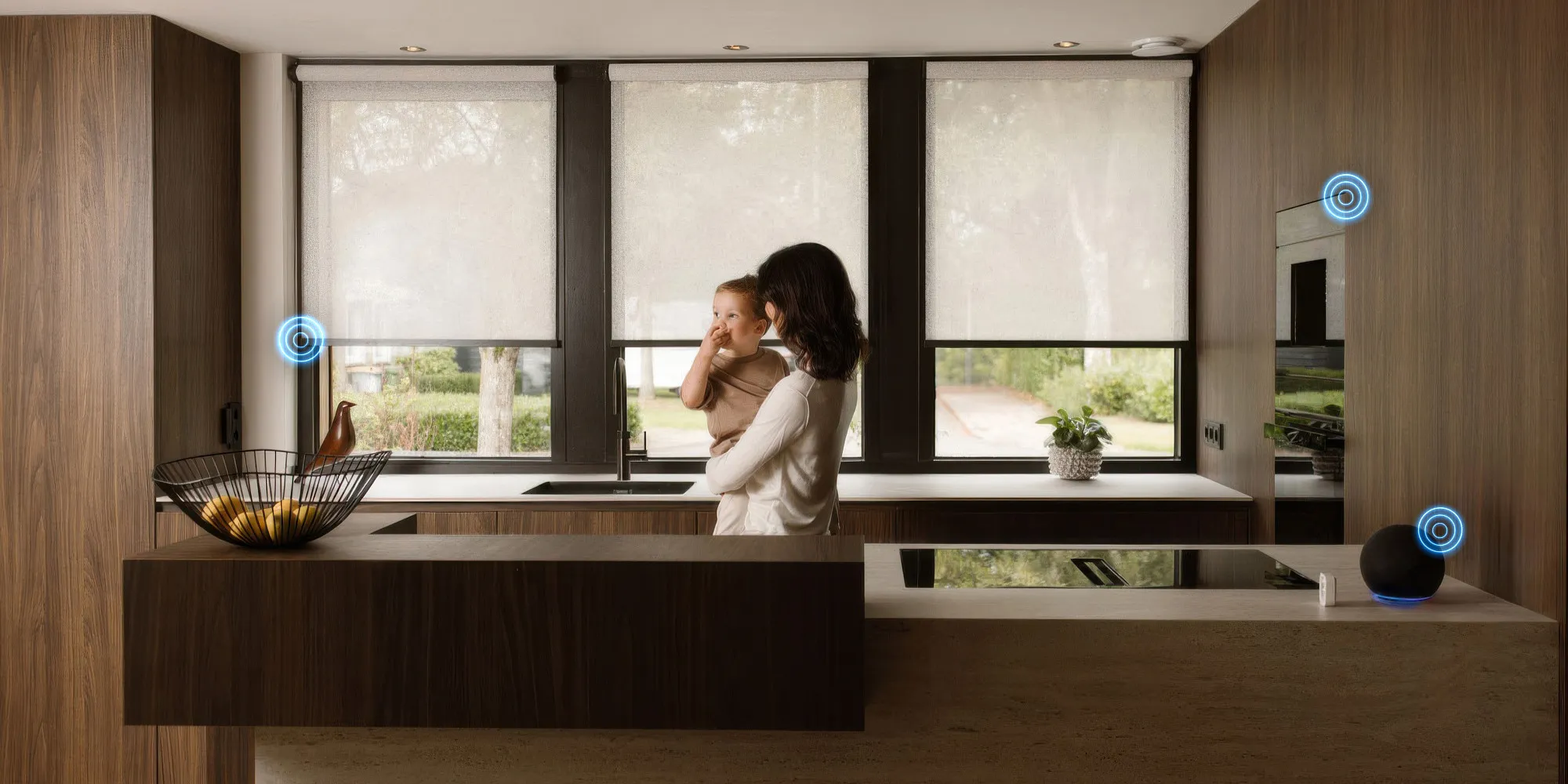
In addition, modern outdoor blinds allow connection to smart building management systems, which means automation based on solar radiation, time of day, or the presence of people in the room.
Materials and designs
Great progress in the development of materials allows outdoor blinds to be not only functional, but also aesthetically perfect. The most commonly used materials are aluminum, PVC, textile membranes and wood. Each of them has its own advantages, depending on the surroundings and the desired characteristics.
Aluminum blinds are known for their durability and weather resistance, while fabric blinds are more suitable for a softer and more modern look. Wooden blinds remain popular for their natural look, but they require more maintenance.
The color spectrum and surface treatment allow for additional customization to the building and aesthetic harmony with the facade. It is also possible to choose between manual and electric control, with remote or even mobile control via applications increasingly being implemented.
Maintenance and durability
Outdoor blinds, like any outdoor element, require some maintenance to remain functional and aesthetic. However, modern blinds are designed to be easy to clean and maintain with minimal effort.
It is recommended to regularly check the mechanisms, clean the slats or fabrics with non-aggressive cleaners and regularly check the attachment. In the case of electrically operated blinds, it is also recommended to check the operation of the motors and sensors.
With proper use and maintenance, outdoor awnings can last for many years without major repairs. Additionally, they provide protection from extreme weather events such as hail or strong winds, from which the awnings can be retracted if necessary.
Adaptation to facilities and installation
When choosing external blinds, their adaptability to different types of buildings is key. Regardless of whether it is a new construction or renovation of an existing building, it is possible to find a solution that will be both functional and visually harmonious with the overall architecture.
For proper operation and long service life, professional installation is extremely important. Preliminary analysis of the building, precise measurements and advice on the correct choice of system are decisive factors for user satisfaction. Some blinds require installation during construction, while others allow for subsequent installation without major interventions in the facade or structure.
Various combinations of shades allow for optimal protection of individual parts of the building – e.g. shading of larger panoramic windows, protection from views from the road or creating comfortable shade on the terrace. Good providers can offer a comprehensive solution that includes planning, delivery and installation.
Because we encounter numerous solutions and options on the outdoor blinds market every day, we are confident that together with our exhibition program at Interlux, we can find the right solution, tailored to each facility and user's wishes.