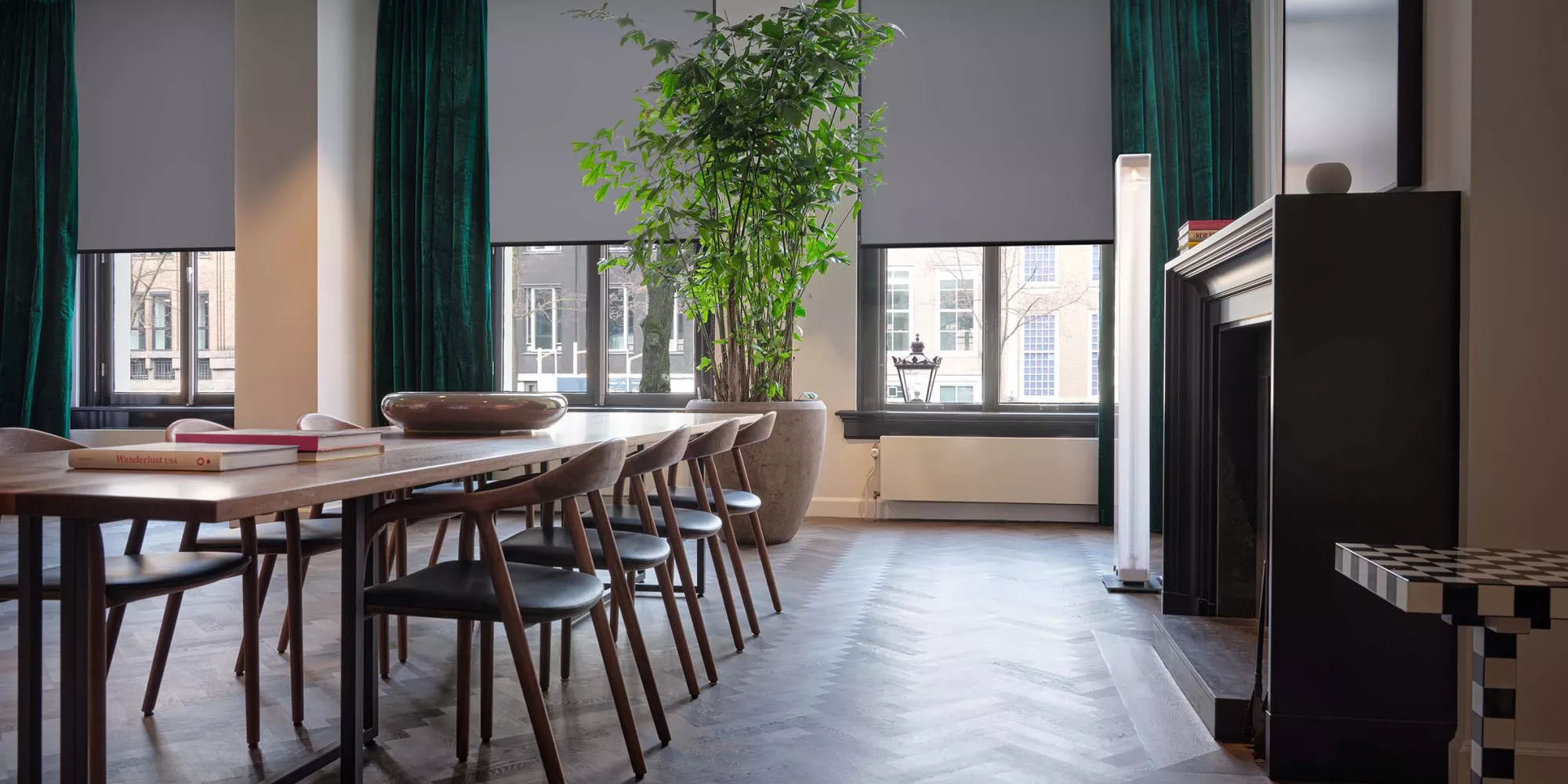
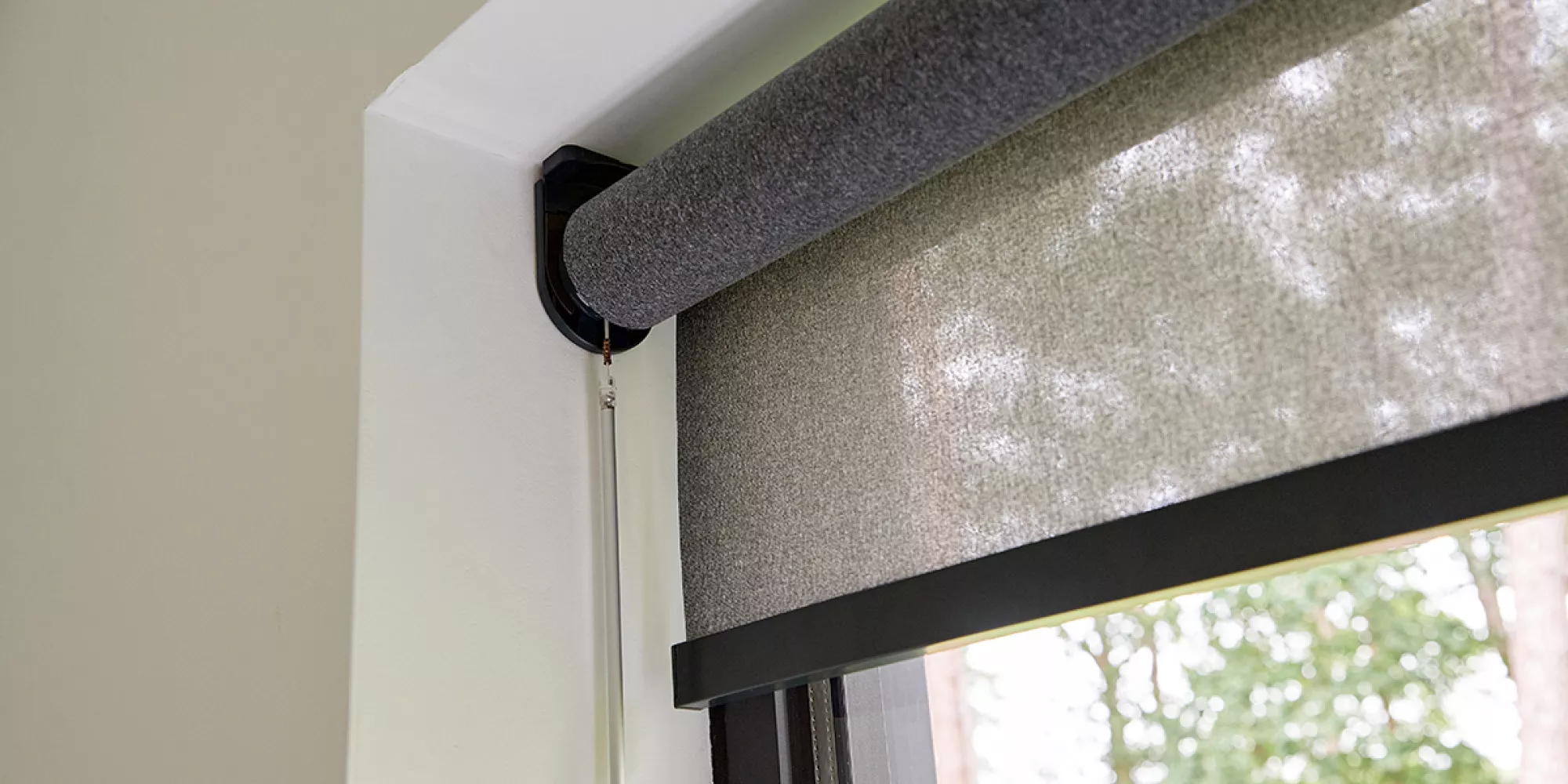
What is an external roller blind?
An external roller blind is a type of blind that is mounted on the outside of windows or the facade of a building. It is used to protect against sunlight, heat and prying eyes, while also helping to improve the energy efficiency of the building. Due to its external installation, the blind is exposed to weather conditions, so it must be made of high-quality and resistant materials.
Outdoor roller blinds are most often made of aluminum, polyester fabrics or PVC materials, which provide excellent protection against UV rays. The materials are usually coated with a special coating that prevents fading and wear due to sun or rain.
Advantages of external roller blinds
One of the key advantages of external roller blinds is the effective control of sunlight. Since the blind is located outside, it prevents the glass surfaces from overheating, thereby reducing the need for air conditioning inside. This means lower cooling costs and better living comfort all year round.
In addition, an external roller blind plays an important role in privacy. When the blind is lowered, it blocks views into the interior while still allowing natural light in. It also offers external noise attenuation and protection from wind and rain, making it ideal for homes and commercial spaces.
Types of external roller shutter systems
There are various types of external roller blinds available, which differ in terms of installation method, drive and functionality. The most common division is into classic ones with open guides and cassette versions, where the roller fabric is protected in a metal housing. Cassette systems offer additional protection against weather influences and thus extend the lifespan of the blind.
Depending on the control, there are roller blinds with manual drive (chain or lever) and motorized systems that allow remote control or automation via sun, wind or rain sensors. Modern control also offers the possibility of integration into a "smart home", which allows full control via a mobile phone or tablet.
Choosing the right material
The material of an outdoor roller blind has a significant impact on its properties. PVC-coated polyester is often used for its durability and ease of maintenance. It has a long lifespan and is available in various levels of light transmission – from almost transparent to completely blackout materials.
Aluminum blinds are particularly suitable for more robust needs, as they offer additional mechanical protection and excellent thermal properties. Some materials also include a reflection function, which effectively reflects the sun's rays and reduces overheating of interior spaces.
Installation and maintenance
When installing an external roller blind, it is important to consider the type of building, architectural features and window exposure. Installation can be possible on the window frame, against the facade or in a window niche. In a professional design, the blind discreetly complements the external appearance of the building without disturbing elements.
Maintaining external roller blinds is simple, but it is still recommended to do it regularly. Occasional cleaning with mild soapy water and a soft cloth is enough to keep the fabric clean and functional. It is also important to check the mechanism and guides to ensure that there are no blockages or wear. In strong winds, it is recommended to raise the blinds, unless they have built-in wind-sensor protection.
Aesthetics and design
External roller blinds are no longer just a functional solution, but also an aesthetic element of the building. They are available in a wide range of colours, patterns and textures, allowing you to perfectly adapt them to your style. With a diverse range, they can blend in with the architecture or stand out as a colorful contrast on the facade.
Architects often incorporate exterior blinds into the design of modern buildings, as they contribute to a minimalist look and clean lines. Combining them with other shading systems, such as venetian blinds or screen shades, allows for even better light control and energy efficiency.
Suitability for various facilities
External roller blinds are suitable for both residential and commercial buildings. In residential buildings, they bring comfort and aesthetic enhancement, while in commercial spaces they improve working conditions, reduce glare on screens and consequently increase employee productivity.
Such blinds are of particular importance in glass buildings, winter gardens and facades with large glazed surfaces. They effectively filter sunlight and reduce overheating, while not obstructing the view outside. In larger commercial buildings, motorized systems are often used, which allow central control for the entire building.
Conclusion
Although we do not deal with the selection and purchase of external roller blinds ourselves, understanding the basic terminology and options is very important when working with architects or contractors. This way we can better present our wishes and expectations, and at the same time provide the best solution for each facility. We only work with proven brands that provide high-quality and reliable offerings for various projects.