What are pleats?
Pleated blinds are interior blinds made of foldable textile. When raised, the fabric folds like an accordion, allowing for extreme flexibility in controlling light and privacy. Due to their functionality and aesthetic appearance, pleated blinds have become a popular choice in both residential and commercial spaces. They can be used on almost all types of windows, including skylights and irregularly shaped windows.
Advantages of pleated blinds compared to other blinds
The biggest advantage of pleated blinds is their flexibility. They are characterized by the possibility of shading from the bottom up or from the top down, which means that they allow for the optimal combination of daylight and privacy. This cannot be achieved with curtains, and roller blinds usually close the entire window surface, which reduces the amount of daylight in the room. Pleated blinds allow for more precise regulation.
In addition, they take up very little space. When fully folded, they are almost invisible. They are also extremely easy to maintain and have a long lifespan if installed and used correctly. Suitable fabrics are UV-resistant and do not lose color, which contributes to the long-lasting aesthetics of the room.
Pleated blinds as an aesthetic addition to a space
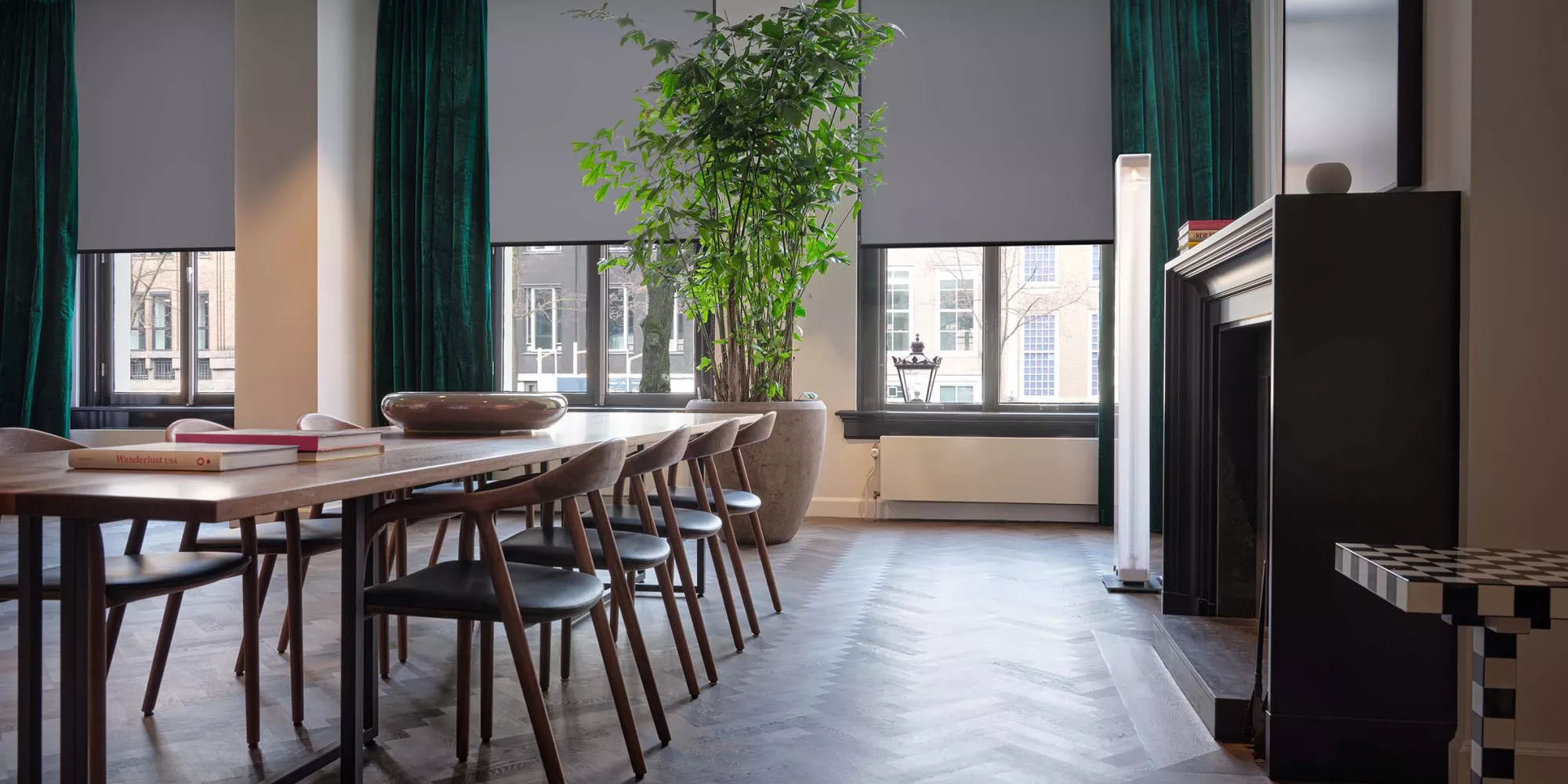
Pleated blinds are not only functional, but also a decorative element. Due to the many possible colors, patterns and translucency of the fabrics, they are easy to adapt to any interior. They bring a modern and tidy look to the interior design, while not taking away the feeling of openness of the space. It is also important that they can be combined with other shades, such as slat curtains or blinds, as they do not visually exclude each other, but complement each other.
We can choose between barely noticeable, almost transparent fabrics that keep light in the room, or thicker, almost blackout materials when we want to achieve more darkness. There are even special double versions available with two layers of fabric – one for daytime, the other for darkening at night.
Different types of pleated blinds
There are several types of pleated blinds, which allows them to be used on different window systems. Classic models are mounted on the window frame and allow movement in both directions. For roof windows, special systems with tension cords are available that hold the blind in place even at an angle. For larger glass surfaces, such as panoramic walls, wider pleated blinds with additional support are used to withstand the weight of the fabric.
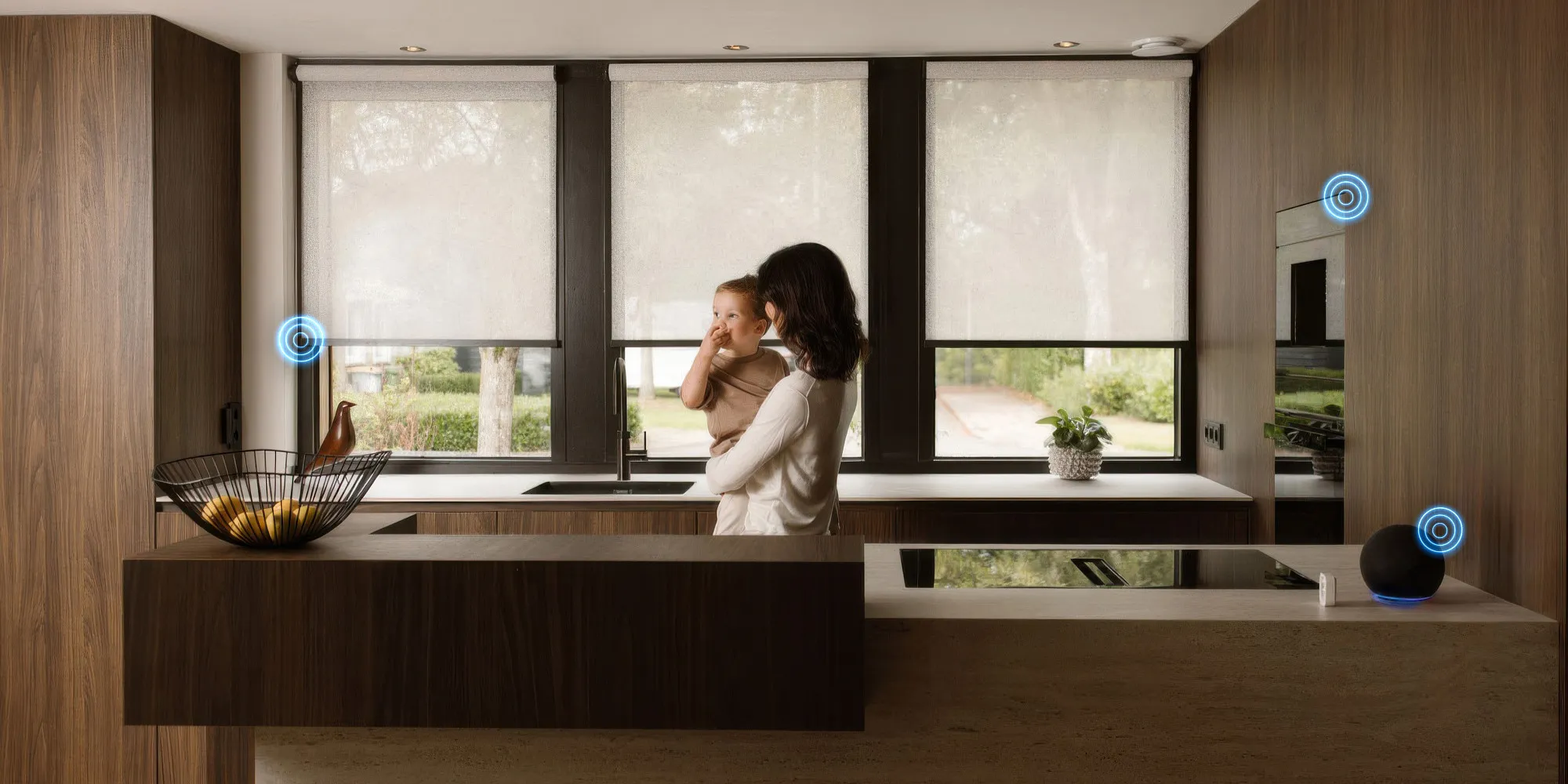
In addition to the basic models, there are also motorized systems that allow you to control the blinds with a remote control or via a smartphone. These are particularly suitable for difficult-to-reach places or for larger buildings where manual control is not practical.
Materials and fabrics for pleated blinds
The materials used in the production of pleated blinds vary – from completely transparent to completely opaque. We can choose between natural materials such as cotton and linen, or synthetic materials such as polyester and various blends. Synthetic fabrics have the advantage of being moisture resistant and easier to clean.
Some materials have an additional coating that reflects heat and acts as thermal insulation. This helps to keep the air in the room cool or warm more effectively, depending on the season. The fabrics are also antistatic, which means that less dust sticks to them.
Maintenance and cleaning of pleated blinds
Pleated blinds are easy to maintain. In most cases, regular wiping with a dry or slightly damp cloth is sufficient. For more stubborn stains, a mild detergent can be used, but it is always advisable to check the manufacturer's instructions. Pleated blinds are usually not machine washable and should not be ironed, as high temperatures can permanently damage the folds of the fabric.
Some models allow the fabric to be removed for easier hand cleaning. It is recommended that cleaning be done on a flat surface and the fabric is then dried folded to retain its shape. With proper maintenance, pleated blinds can remain beautiful and functional for many years.
Where and how to use them
Pleated blinds are very versatile and can be used almost anywhere – in the kitchen, bathroom, living room, bedroom, office or even in the conservatory. Due to the various darkening options, they are a great choice for bedrooms where we want to reduce natural light, while at the same time allowing enough privacy in bathrooms without losing light. When choosing a fabric, it is important to consider humidity, as not all fabrics are suitable for humid spaces.
Installation is possible without drilling, with special brackets that are attached directly to the window frame. This solution is particularly suitable for rental apartments or spaces where we do not want to permanently interfere with the joinery. It is also useful for glazed partition walls, as they do not visually obscure them completely.
For businesses and retailers looking for reliable interior shading solutions, pleated blinds are an excellent choice due to their functionality, durability, and aesthetic value.