What are screen shades?
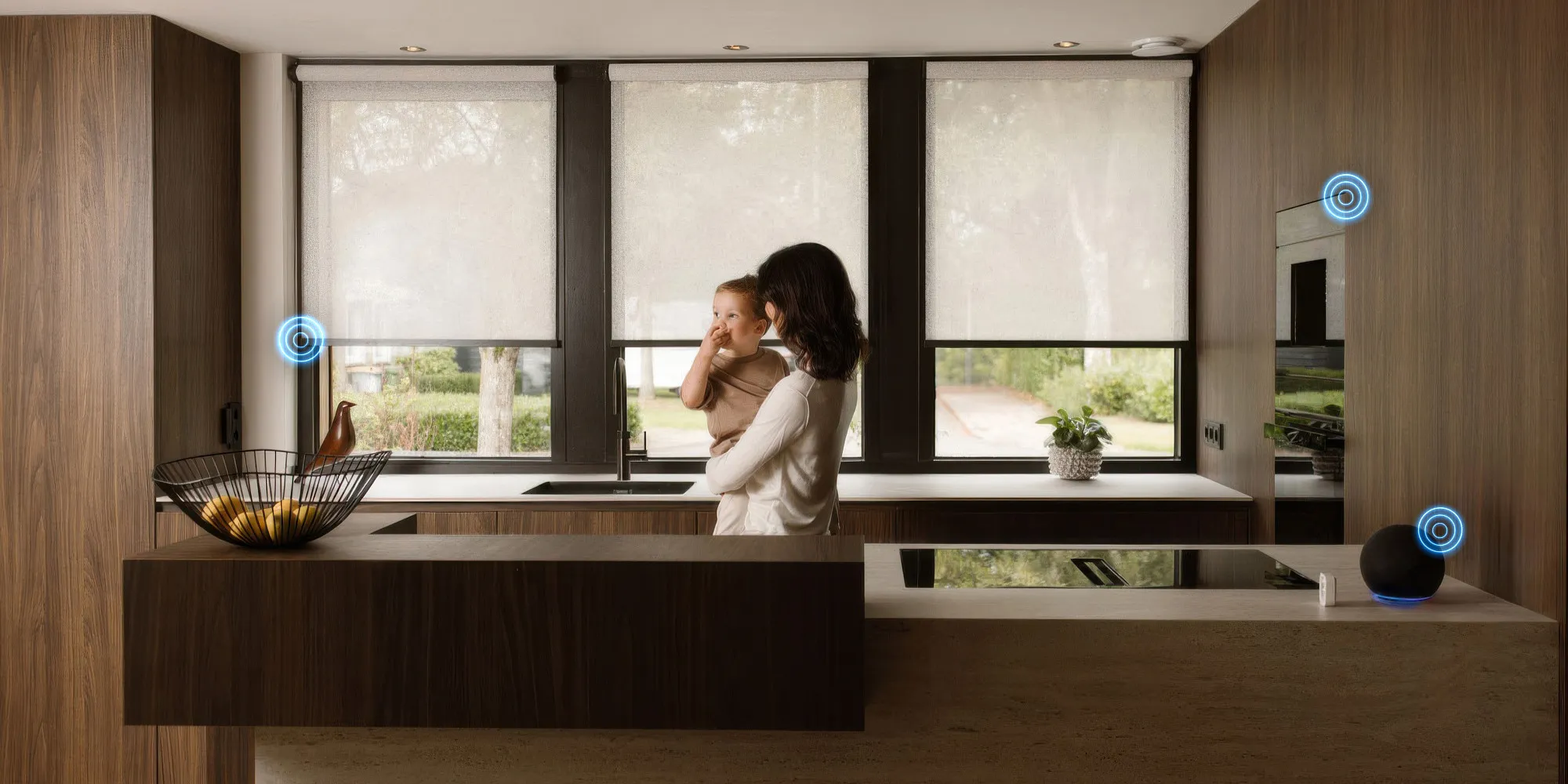
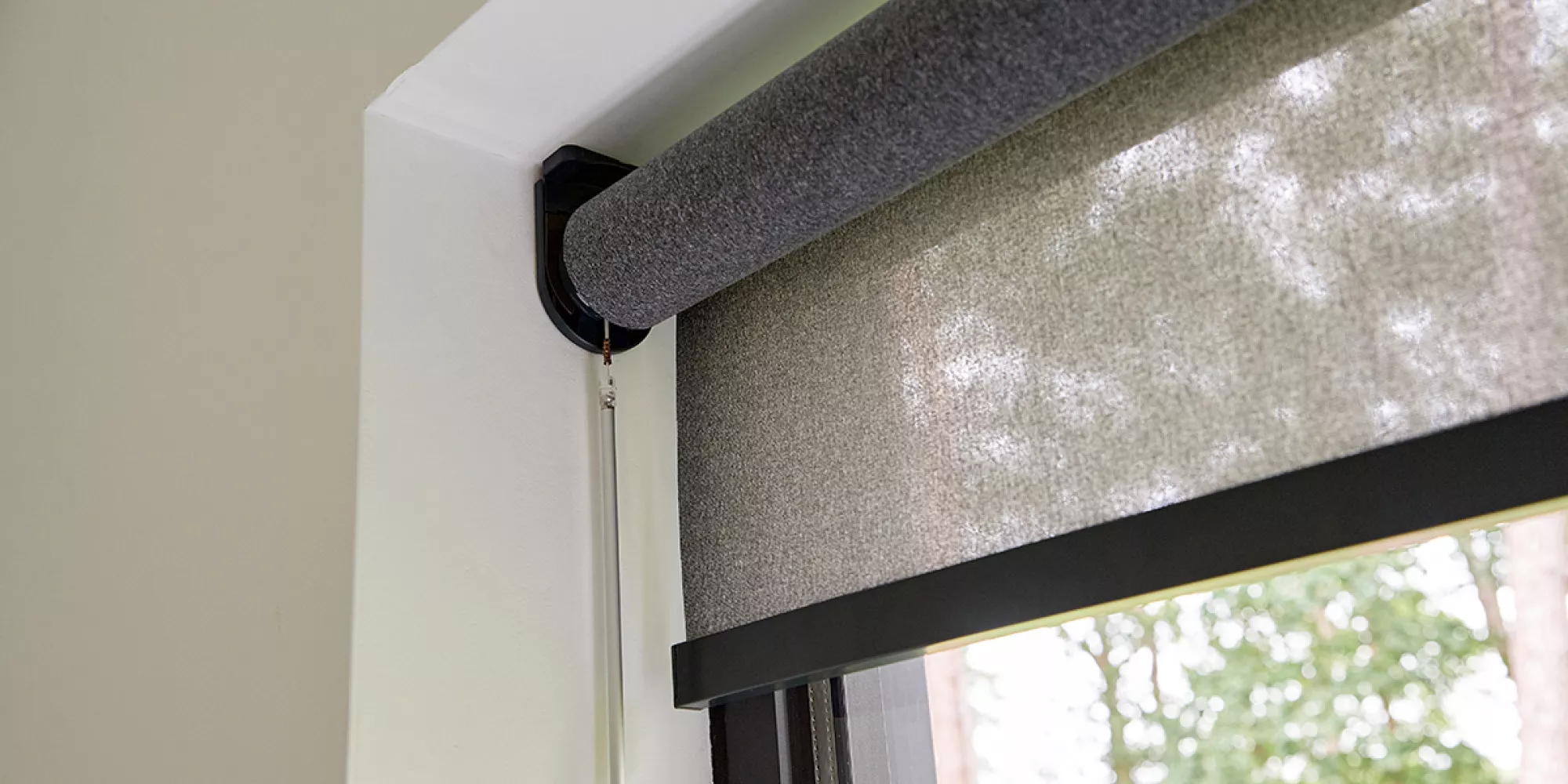
Screen blinds are a special type of external or internal blinds, made of technical fabrics that provide protection from the sun while maintaining a view to the outside. It is a modern solution that combines functionality, aesthetics and comfort. Screen canvases are made of polyester or glass fibers coated with PVC, which makes them highly resistant to weather influences.
Their main feature is that they do not completely darken the room, but rather allow light to be filtered. This reduces glare and overheating of the room, while maintaining a view to the outside. Due to these properties, they are increasingly popular, especially in commercial and modern residential buildings.
Advantages of using screen shades
Screen shades are not only an aesthetic choice, but also offer a number of technical advantages. One of them is exceptional protection against UV rays, as high-quality screen fabric can block up to 95% of harmful UV radiation. This protection helps to extend the life of indoor furniture by preventing fading and decay of materials.
Screens also significantly reduce the need for cooling rooms in the summer months. This reduces energy consumption and costs for air conditioning. Despite filtering light, they allow the use of daylight, which has a positive impact on well-being and productivity.
Screen fabrics are also wind and moisture resistant, making them suitable for use on outdoor surfaces such as terraces, balconies and facades. They are also often found as a detail on glass facades of commercial buildings, where they serve a functional and visual role at the same time.
Different types of screen fabrics
There are several types of screen materials available, varying in composition, weave density and degree of light transmission. The most commonly used are blends of fiberglass and PVC coatings, as they offer the greatest durability and stability. However, there are also textile fabrics that are more suitable for indoor use, where weather resistance is not a key feature.
The level of light transmission in screen fabrics is measured in percentages. We find fabrics with 1%, 3%, 5% or even up to 10% transmittance. A lower percentage means less light transmission and better protection from the sun, while a higher percentage allows for a better view through the shade. The right choice depends on the location, orientation of the room and the desired effect.
Installation and use of screen shades
Screen blinds can be installed outside or inside the building, depending on the type of construction and intended use. External blinds are usually attached to window frames or facades and can be operated manually or with a motor. Internal versions are often mounted on the ceiling or wall with or without discrete guides.
The use of motor control in combination with wind, rain and sun sensors enables fully automated operation. This means that the screen automatically lowers in strong sunlight or wind, providing optimal protection without manual intervention. This is especially useful in larger facilities or commercial buildings where centralized shading control is required.
Maintenance and lifespan of screen shades
Maintaining screen shades is simple. The PVC coating makes the fabrics resistant to dirt, so they can be easily cleaned with a damp cloth or mild soap. In case of stubborn stains, gentle detergents can be used, but aggressive cleaning agents or high-pressure cleaners should not be used, which could damage the fabric.
With regular maintenance and proper use, screen shades have a long lifespan, often more than 10 years. There are also versions of screen shades with anti-allergy protection, which makes them even more useful for schools, hospitals and other public buildings.
The aesthetic aspect of screen shades
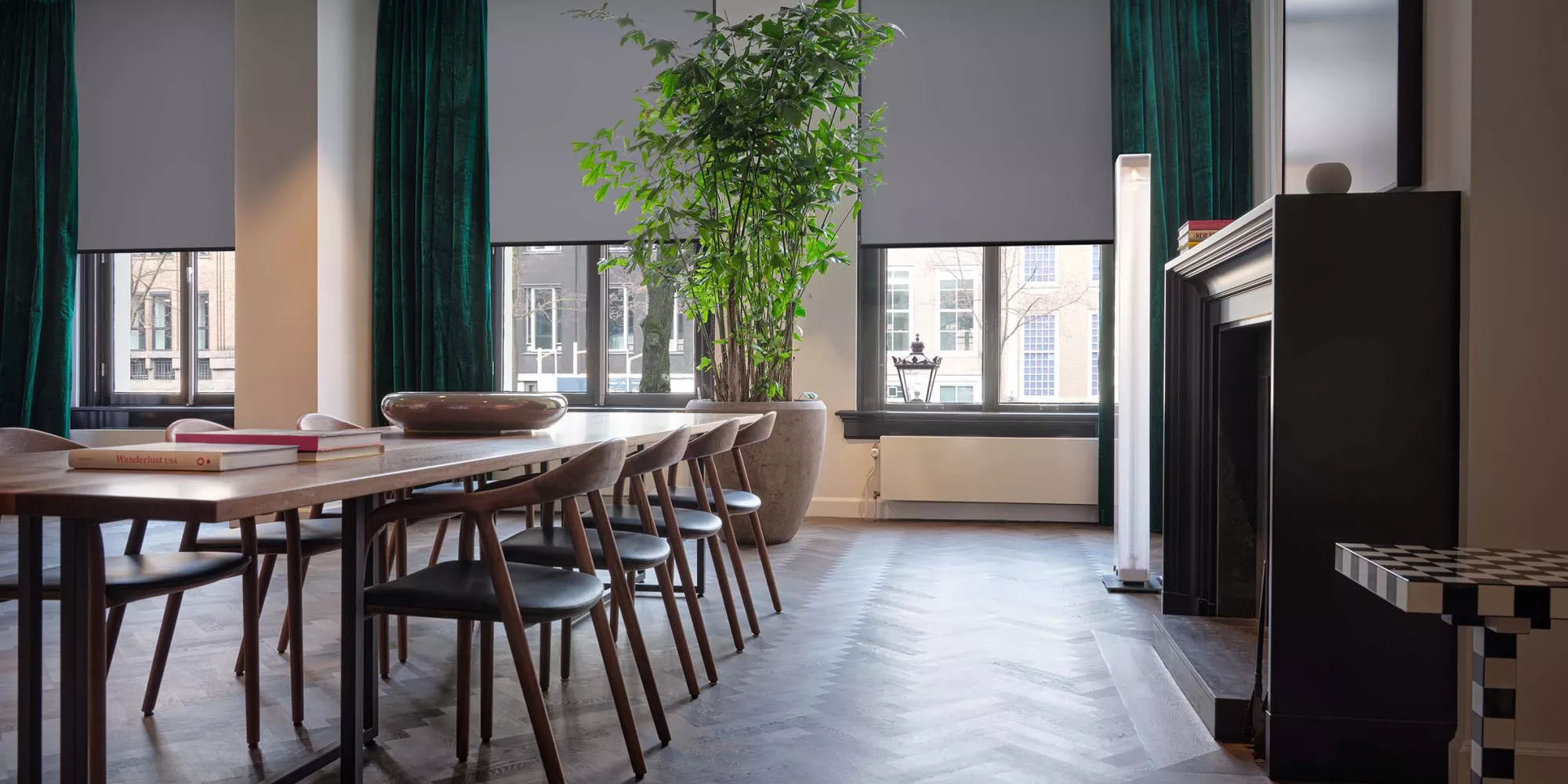
Screen shades are available in a variety of colors and styles, allowing them to be adapted to any architecture. Their minimalist look makes them a great fit for modern facades and interiors. Neutral tones such as gray, beige or black are very popular, as they can be easily combined with other materials and color combinations.
Due to their discreet presence, they do not disturb the external appearance of the building. This is especially important in buildings where architectural design is of key importance. In addition, there is the possibility of personalization - choosing a print, logos or other graphic elements, which is an excellent solution for commercial premises.
Where and how to choose the right screen shades
When choosing the right screen shades, it is important to consider several factors: the orientation of the building, the size of the shading area, the method of operation, the desired technical characteristics and color coordination. It is important to cooperate with experts, as they can recommend the best solution based on the specific needs of the building and the user.
Since it is not an everyday purchase and screen shades are a long-term investment, the quality of the supplier and the choice of proven materials are of key importance.