Window shades are not just decorative – they provide light control, improve sound and thermal insulation, and increase privacy. By choosing the right interior or exterior shades, we can significantly reduce energy costs, enhance the aesthetics of a space, and ensure comfort all year round.
Why choose window blinds?
Energy saving and thermoregulation
Outdoor blinds prevent the sun's rays from even touching the glass - thus acting as the first protective layer layer against heat load in a room. Research from the US says that this type of blinds can reduce heat by – depending on the type – between 50 % and 60 % (if using external screen blinds or roller shutters), or up to 75 % if the blinds are optimized for sun protection.
Internal blinds, such as roller blinds or pleated blinds, only retain heat after it has passed through the glass – typically reducing heat gain by only 15–20 %. The effect is therefore significantly lower, as it is passive protection inside the room and not preventing heat from entering from the outside.
Glare protection and sound insulation
In addition to the thermal effect, external blinds also make a significant contribution to light retention and glare protection – the room not only becomes cooler, but also pleasantly flickering and pleasant to look at. Since the heat is retained in front of the glass, the interior spaces remain pleasant for longer. In summer, this prevents the interior from heating up, and in winter, it reduces the heat that can escape back through the window.
At the same time, shades (external and internal) also help with a darker environment, which stops much of the outside noise – lamellar structures reduce sound transmission, which is especially noticeable in urban areas or along busy streets.
Greater privacy and security
External blinds, such as roller shutters, provide complete blackout – ideal for bedrooms and spaces without external disturbances. This complete light blocking also prevents views from the outside, which enhances the feeling of security and also serves as a visual barrier against potential burglars. In addition, these structures exist as a solid physical barrier – which provides additional psychological protection against intrusion.
Types of window blinds
Interior blinds
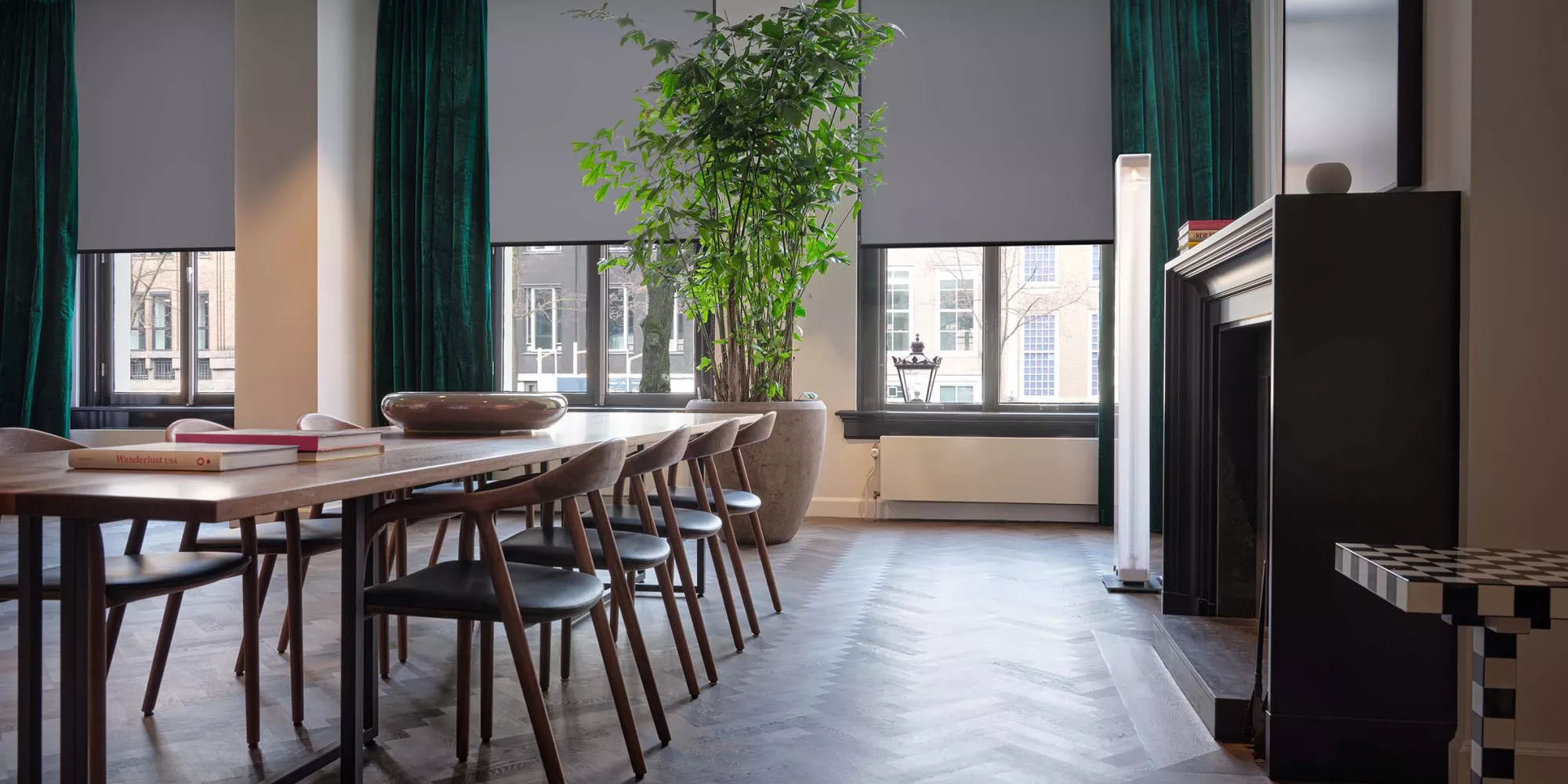
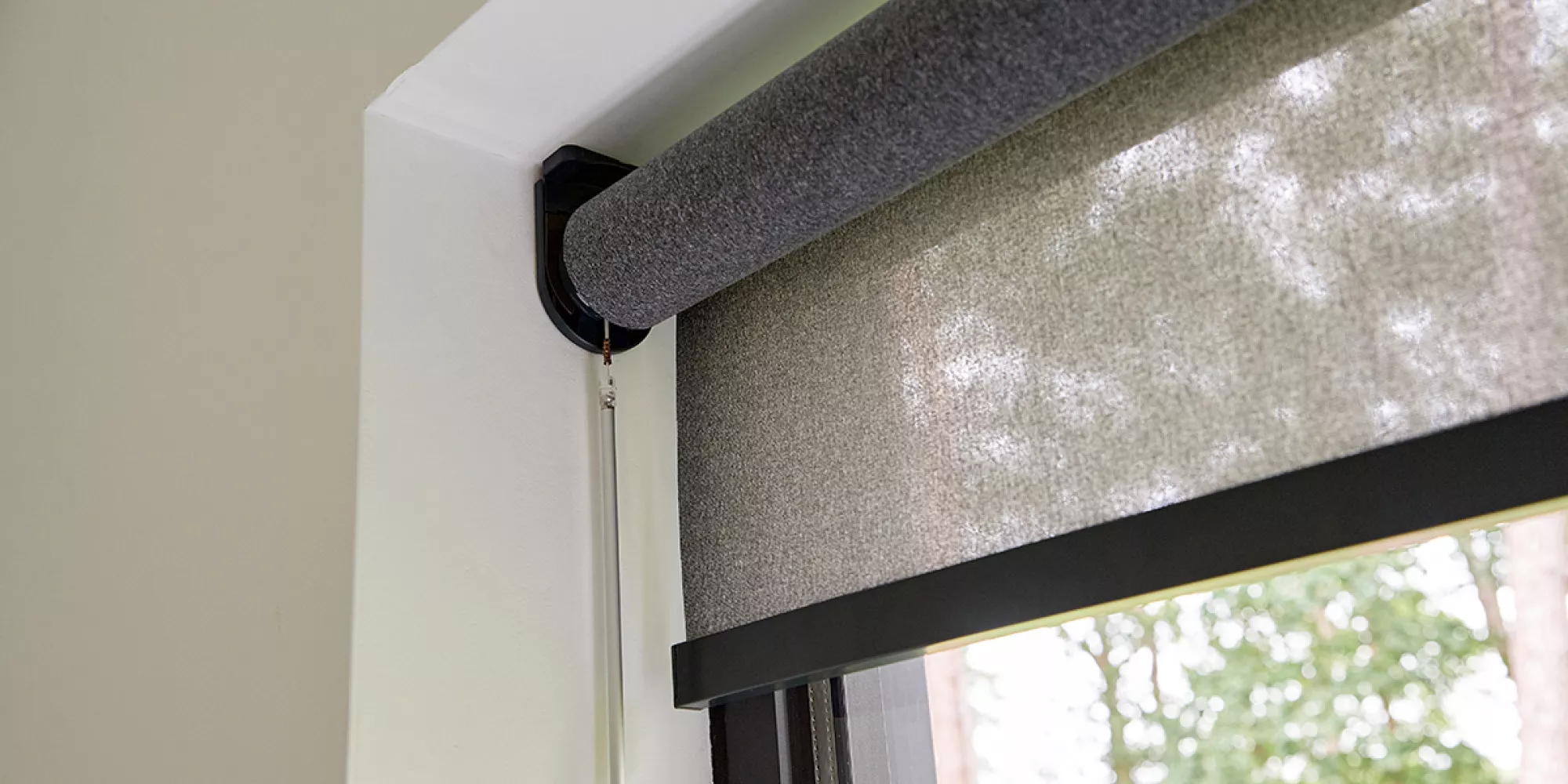
- Roller blinds: customizable colors and dimming levels, easy to maintain.
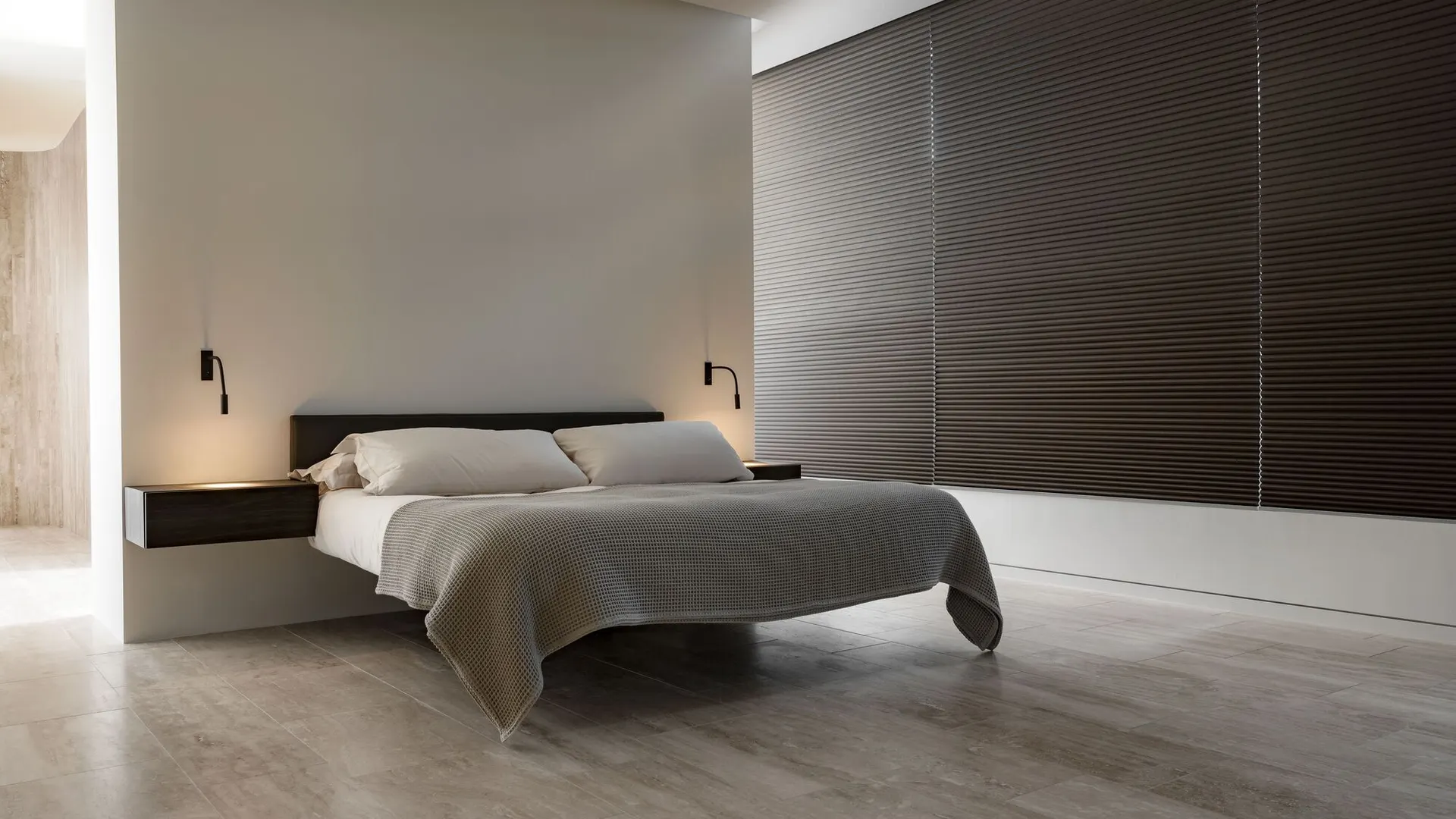
- Pleats curtains: aesthetic, efficient, double-layer fabric increases insulation and privacy.
- Interior blinds: metal or wooden slats, fine adjustment of light.
- Slat and panel curtains: ideal for large glass surfaces, easy to clean.
Outdoor blinds
- External blinds: allow control of slats for heat and light regulation.
- Roller shutters: aluminum slats with high thermal insulation, darkening and security.
- Screen roller blinds: mesh fabric protects against glare and overheating.
- Awnings and pergolas: flexible solutions for outdoor terraces and balconies.
measuring blinds
Accurate measurements of your blinds are essential for a perfect fit and proper operation. When measuring the front opening, use a steel tape measure and measure the width at the top, middle and bottom, taking the smallest value – window frames are not always perfectly square.
Measure the height at three points (left, center, right) and use the longest measured part (interior mounting), or adjust for exterior coverage by adding a few centimeters for overlap. Also consider the depth of the frame and any debris to prevent friction between the slats or the wave of the shade. This helps ensure optimal aesthetics, functionality and prevents unwanted light leaks.
MORE ABOUT SHADOWS
How to choose the right blind?
Comparison of indoor and outdoor blinds
Internal blinds typically reduce heat gain by about 15–20 % by preventing heat from completely passing through the glass. For example, according to the US Department of Energy, honeycomb internal blinds can reduce solar heat gain by up to 60 %, but these are considered rare exceptions – ordinary roller blinds and curtains on average retain only about a fifth of the heat. Easy to clean and cheaper to manufacture, these blinds are very easy to maintain and are also less expensive than external alternatives.
In contrast, external blinds (rollers, screen blinds, awnings, curtains or external venetian blinds) block heat before the glass and are therefore much more efficient – they can reduce solar gain by up to 75 % or more. Maintenance of these blinds is a bit more demanding – they require regular cleaning and occasional servicing, which is still mostly feasible at home. Due to their more complex construction and greater impact on energy efficiency, they are also more expensive, but their advantage often justifies the investment.
Materials and maintenance
You can choose between fabrics, aluminum or wood. Pleated and roller blinds are easy to clean, while the outer slats require gentle washing with water and a mild detergent.
Advanced technologies
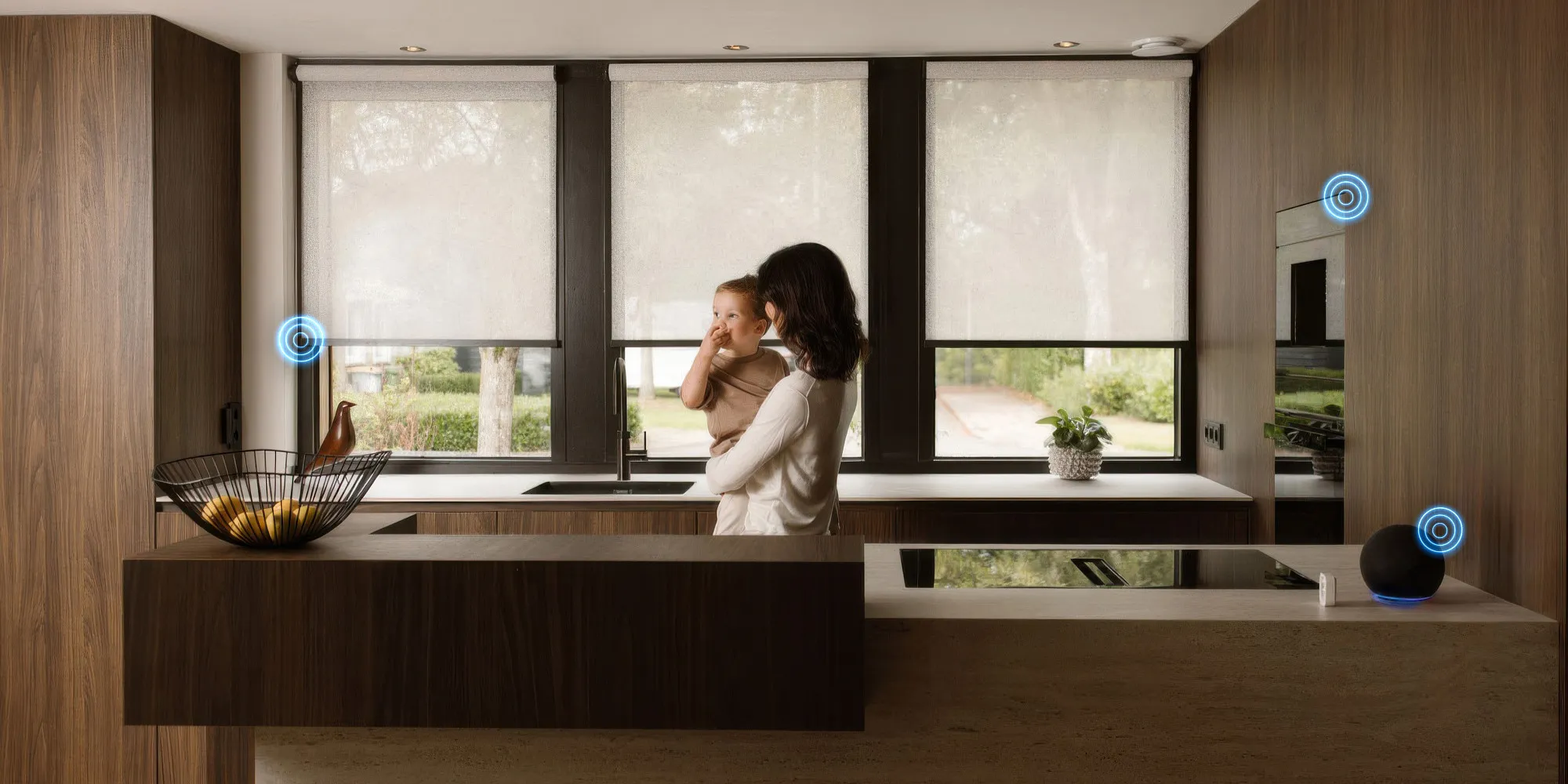
Motor drive, Smart control and integrated sensors put blinds at the heart of the smart home, allowing for fully automatic and optimal adjustment based on light, temperature and schedule. With a single push or a pre-set routine, the blinds raise at sunrise and lower at sunset, ensuring not only comfort but also energy efficiency – reducing energy consumption for cooling and heating. Light and temperature sensors can trigger real-time adjustments, for example closing the blinds during the strongest sun or opening them when the room cools down.
In addition, the removal of handles and spring cords means a safe and elegant look without tangling, which is especially friendly in homes with children and pets. Almost inaudible motors, quiet operation and the option of voice control or connection to a smart assistant via an app or voice commands further enhance the user experience. In addition, uniform installation and real-time adjustment prevent wear and extend the life of the blinds. Together, motorized and automated systems bring comfort, safety, energy efficiency and a long service life - in contrast to classic, manually operated blinds.
Maintenance and lifespan of blinds
Cleaning various materials
Clean interior blinds with a soft cloth or vacuum cleaner; exterior blinds, such as roller blinds or screen blinds, should be gently rinsed with water and a mild detergent.
When to replace or repair them?
Replace the shade when the slats are bent or damaged, the cords are worn, operation is difficult, the thermal insulation is weakened, the mechanism is damaged, or complete safety is no longer guaranteed.
energy savings with insulating blinds
Well-fitted interior pleated or cellular (honeycomb) blinds can significantly reduce heat loss through windows – in winter they reduce heat loss by more than 40 %, which means approximately 10 % less energy consumption for heating, and in summer they block up to 60 % of heat gain, which contributes to a cooler living environment and lower cooling costs.
External types of blinds, such as external roller shutters or screen window shades, provide additional protection from solar energy in front of the glass, effectively reducing the building's heat load. Smart management can increase savings - research has shown that automated insulating window shades can reduce total energy consumption by up to 25% and pay for themselves in just 3-5 years.
Frequently Asked Questions (FAQ)
- Which shade is more effective – internal or external?
External blinds are the most effective for thermoregulation, as they block heat before it reaches the glass, while internal blinds complement insulation and regulate light.
- Roller blinds or pleated blinds – how to choose?
Roller blinds provide easy blackout, while pleated blinds provide a decorative look and good insulation. The choice depends on your priority – functionality or aesthetics.
- Are window shades effective in winter?
Yes. External blinds reduce heat loss, while internal blinds create an additional layer of insulation.
Are smart shades worth it?
Yes – they allow for convenient control, sensors and can contribute to energy efficiency, although they are initially more expensive.
investment for comfort
Window shades are a key investment that brings comfort, security and energy efficiency to your home. External shades (e.g. roller blinds, screen blinds, awnings) block solar heat before the glass, which can reduce room heating by up to 75 %–76 % – significantly contributing to lower cooling costs in the summer. Internal shades (pleated, roller blinds) serve as an additional protective layer, reduce glare and provide additional thermal insulation (approximately 15–20 %).
Improved privacy, airflow and acoustic protection are also important – all of which contribute to a more pleasant living environment. It is convenient that they can complement each other: external blinds provide the main regulation, while internal blinds provide fine-tuning of light, privacy and decorativeness.