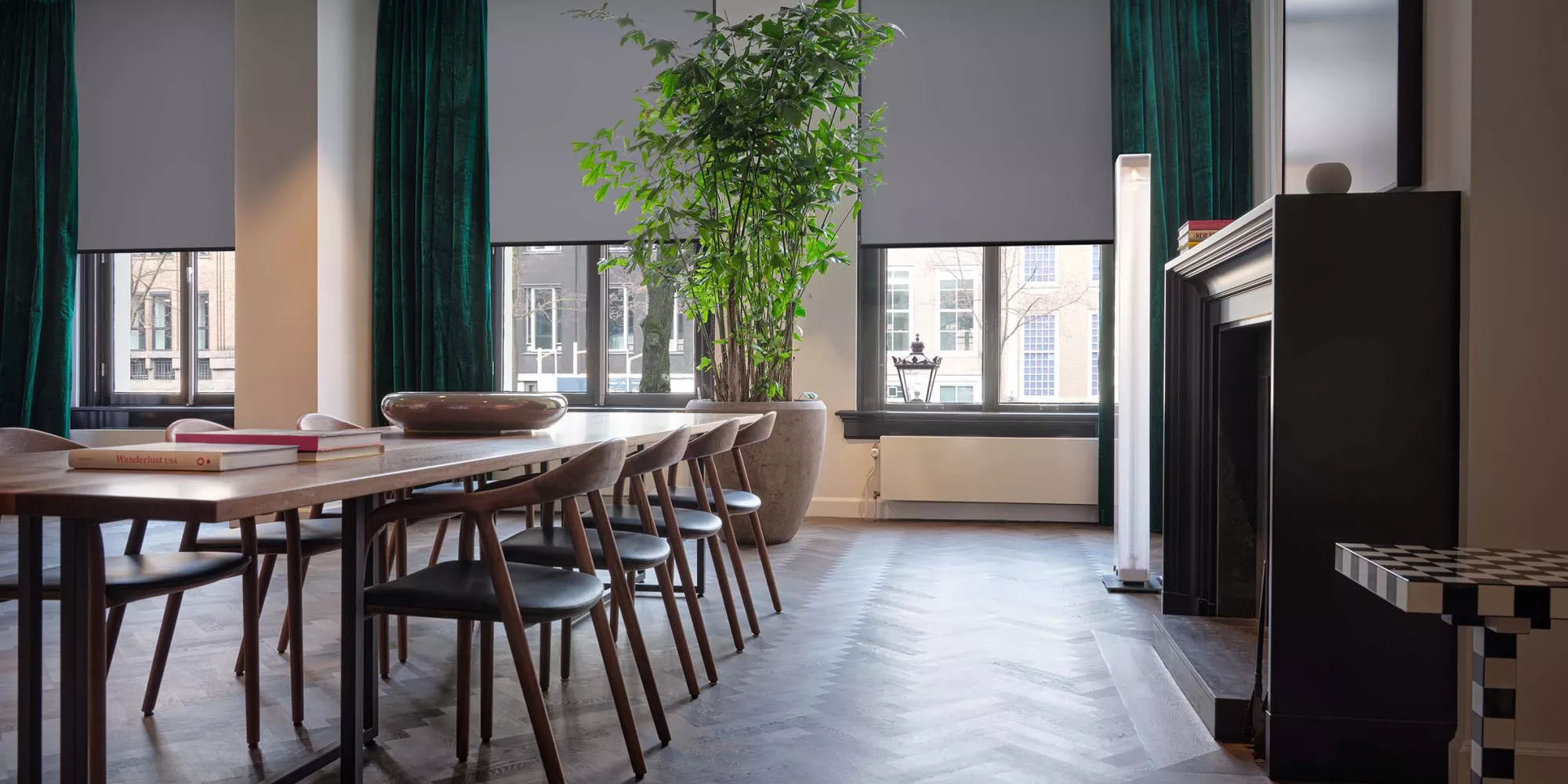
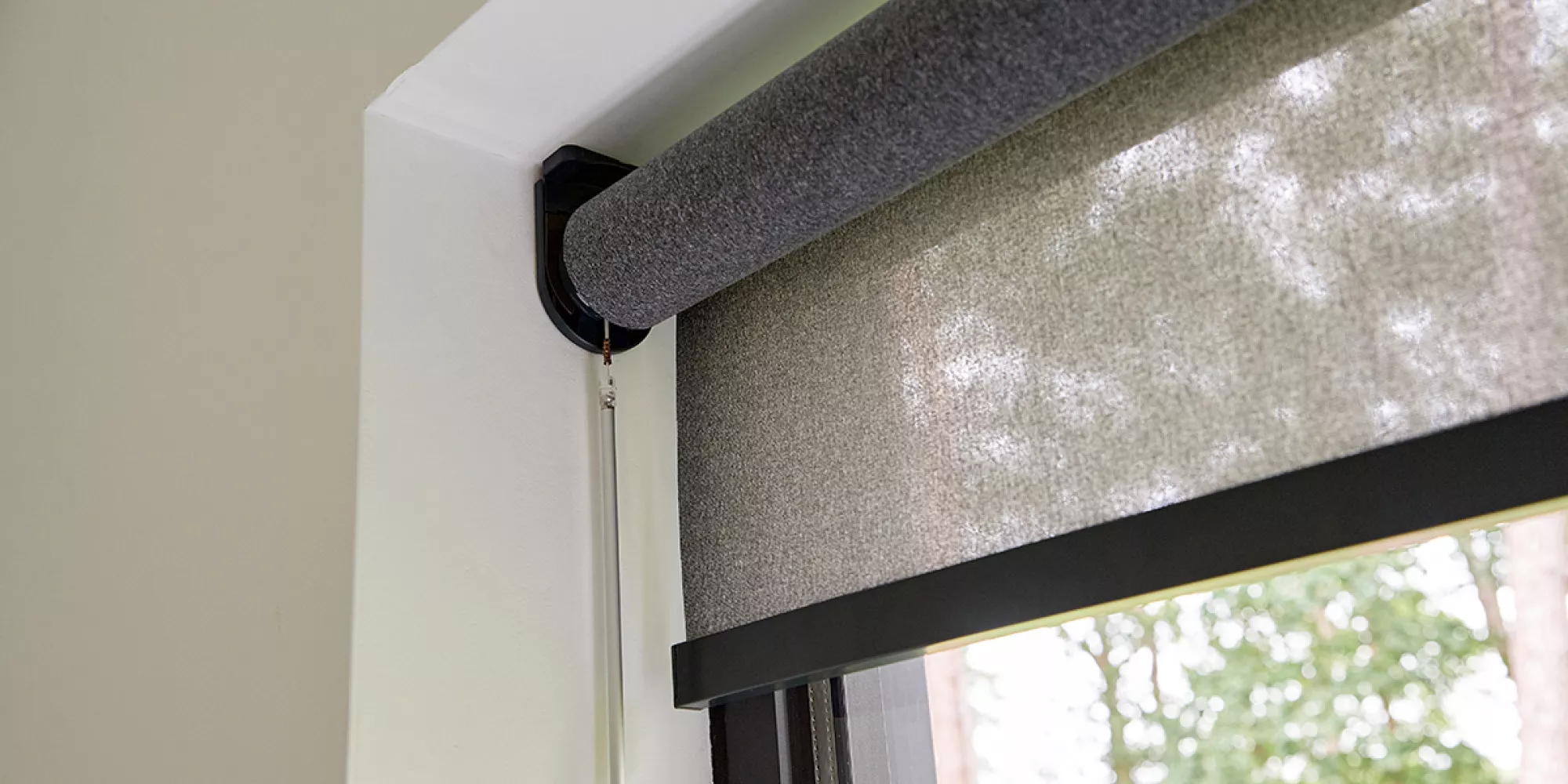
Wooden blinds – a natural touch in every room
Wooden blinds are becoming a popular choice for many homes and businesses. They are an elegant and functional shade that successfully combines aesthetics with utility. Their biggest advantage is their warm, natural look, which adds a touch of coziness and prestige to the space. They are especially popular with those who appreciate natural materials and want to create more sustainable interior design.
Materials and types of wood
When choosing wooden blinds, we can choose from different types of wood. The most commonly used are bamboo, paulownia, linden or American linden. Each type of wood has its own characteristics - from color, weight, to durability and processing method. Softer wood makes it easier to manufacture slats, while harder wood provides a longer lifespan and better resistance to moisture, which is important when used in more humid rooms.
The color palette of wooden blinds is usually rich - in addition to the natural tones of wood, there are also painted versions available, such as white, gray or even black. Despite the wide choice, the vast majority of users remain loyal to natural shades that emphasize the structure and beauty of the wood.
Advantages of wooden blinds
One of the key advantages of wooden blinds is their ability to adjust the amount of light. By turning the slats, we can regulate privacy and the amount of daylight entering the room. In addition, wood works well as an insulator – both thermally and acoustically. Wooden blinds contribute to better energy efficiency, as they reduce overheating in the summer and retain heat in the winter.
An additional advantage is the pleasant visual effect. Wooden surfaces are always in fashion, as they fit perfectly with various interior design styles: from rustic and Scandinavian to modern minimalist style.
Maintenance and cleaning
Although wooden blinds require a little more care than, for example, aluminum or PVC versions, their maintenance is not too demanding. It is recommended to regularly dust them with a soft dry cloth or a special antistatic feather duster.
For heavier dirt, it is recommended to slightly moisten the cloth with water, but do not overdo it with the amount of liquid, as too much moisture can damage the wood. It is also important to regularly ventilate the rooms where wooden blinds are installed, especially if they are exposed to high humidity, such as in bathrooms or kitchens.
Installation and management methods
Wooden blinds can be internal or external. In most cases, they are used as internal blinds, which can be mounted on the outer frame of the window or inside the window niche. It is important that they are measured and installed correctly, as this is the only way to ensure aesthetic and functional performance.
Control is done manually with a cord or rod, but various motorized systems are also available for greater comfort, especially in commercial spaces or homes where users have higher technological requirements. Electric control allows for scheduling, connection to smart systems and even voice control.
Suitability for different spaces
Wooden blinds are ideal for living rooms, bedrooms, dining rooms and offices where we want to create a pleasant, warm atmosphere. They are less suitable for rooms with high humidity, such as bathrooms or laundry rooms, unless they are made of specially treated wood intended for such conditions.
In commercial spaces such as meeting rooms, offices or bars, wooden blinds often serve as a design element that adds a sense of prestige to the space. In residential buildings, they are often installed as a substitute for classic textile curtains, as they offer more options for regulating light and are easier to maintain.
Price range and durability
The price of wooden blinds is usually higher than other shades, due to the use of natural materials and more complex manufacturing. However, this investment pays off in the long run, as wooden blinds are extremely durable and aesthetically pleasing.
With proper maintenance, they have a long lifespan, and wooden materials are more environmentally friendly than plastic alternatives. Many manufacturers today use wood from sustainably managed forests, which further contributes to environmental responsibility.
For anyone looking for a combination of functionality, durability, and a natural look, wooden blinds are a great choice. While they aren't the cheapest, they offer a long lifespan and many aesthetic advantages that other materials simply can't offer.