How exterior window shades affect energy efficiency
External window blinds are not just an aesthetic addition, but an important element in improving the energy efficiency of buildings. With the right choice, we can significantly reduce overheating in summer and heat loss in winter. This reduces the need for cooling and heating, which means lower energy costs and better resource utilization.
As the first line of defense against the sun, external window shades trap most of the heat before the glass surface. This means that the interior stays cooler and more comfortable. In winter, shades can act as additional insulation and reduce heat loss through windows. The temperature difference between the shade and the glass surface helps prevent thermal bridges.
Types of outdoor blinds and their features
There are several types of external window blinds on the market, from which we can choose depending on the desired functionality, the appearance of the building and other requirements. The most common types are:
- Watches – suitable for residential and commercial buildings, they provide good darkening and insulation.
- Blinds – they allow for the regulation of light and ventilation, popular in modern architectural solutions.
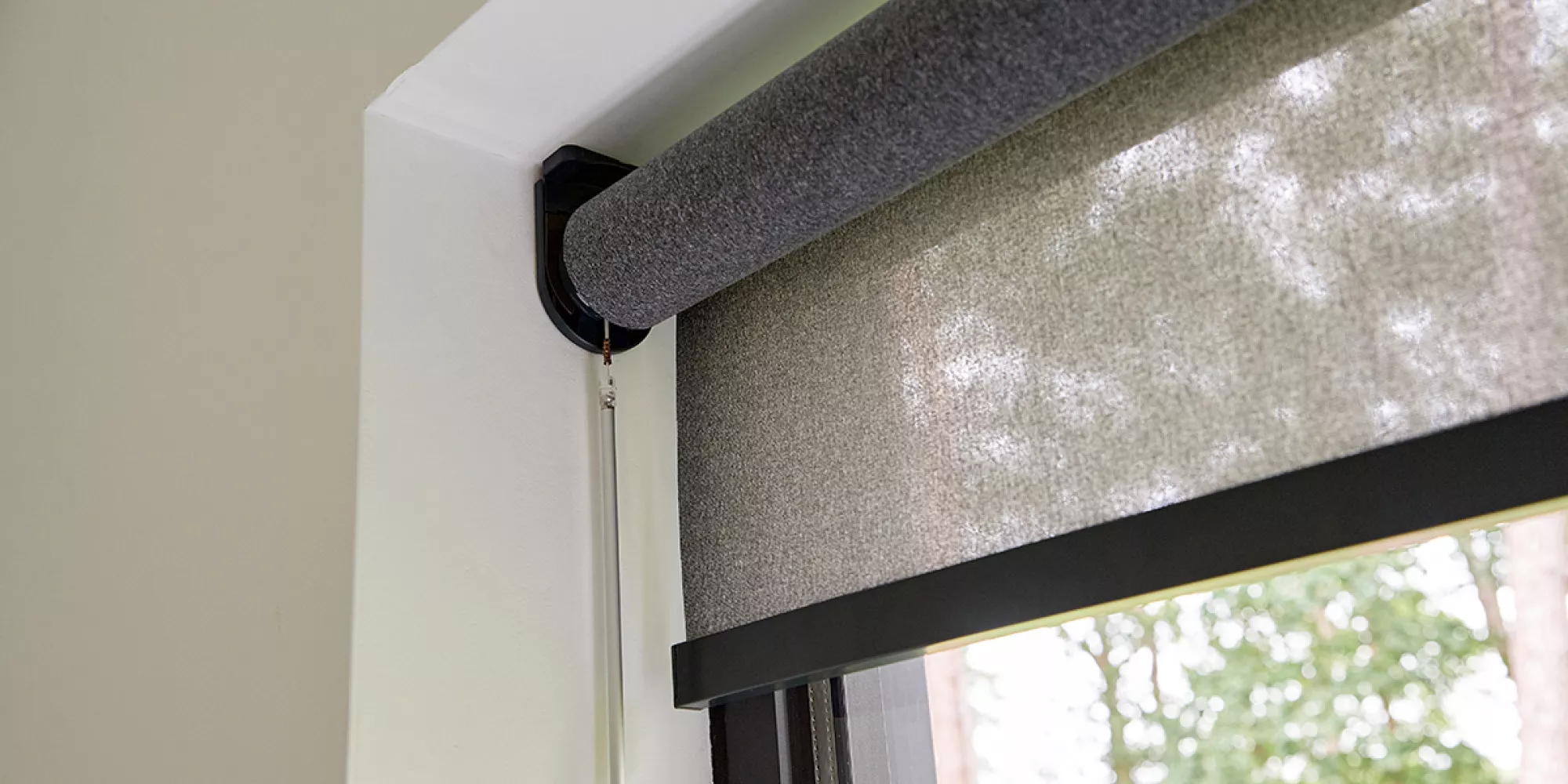
- Screen blinds – made of special materials that let in light but protect against heat and UV rays.
- Shutters – a traditional solution that offers good protection and gives a classic look.
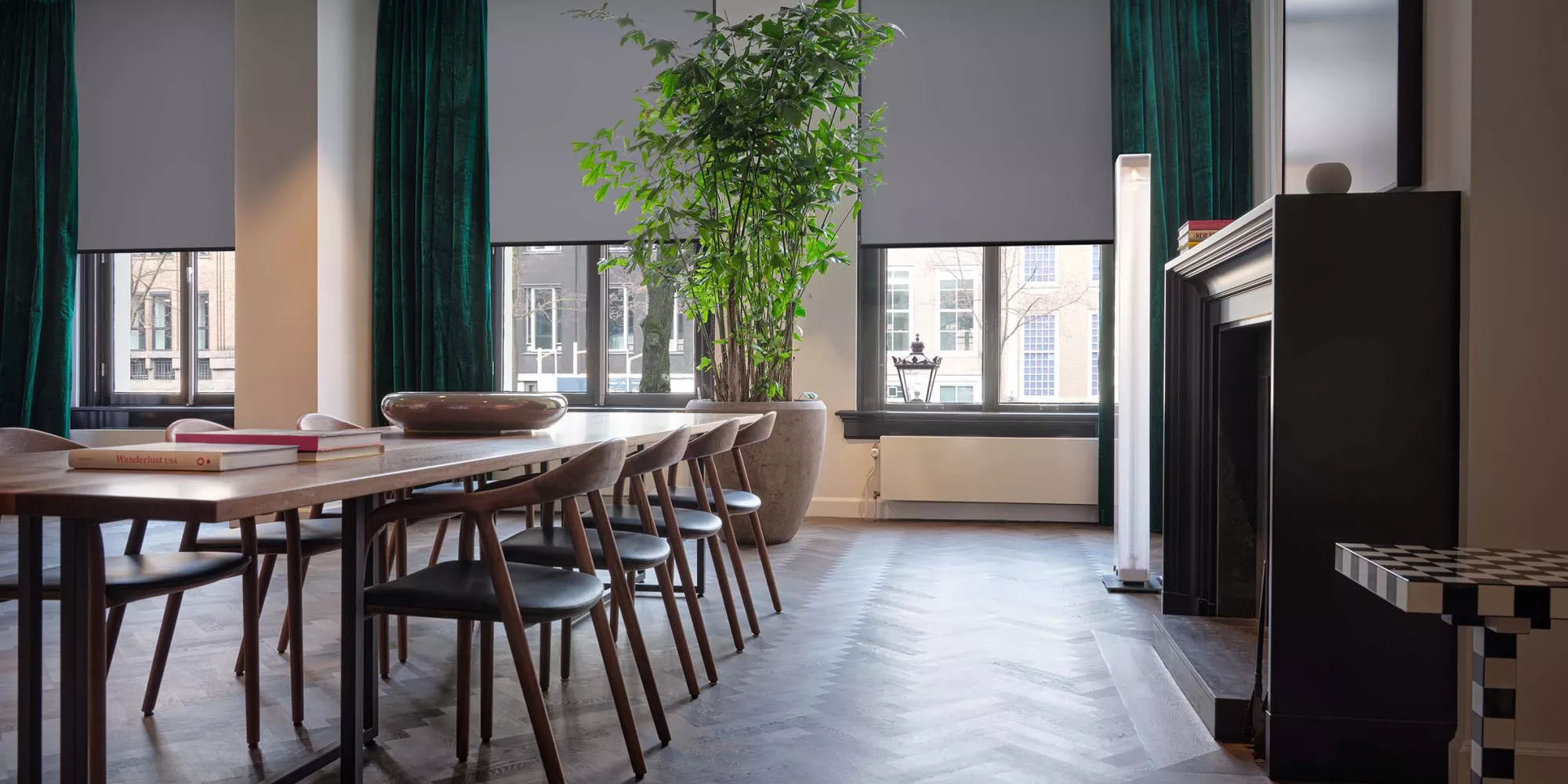
Each type has its own advantages. Roller blinds are excellent because of their ability to provide complete blackout and thermal insulation. Venetian blinds allow for flexibility, as the angle of the slats can be changed. Shutters offer robust protection and are often chosen for the renovation of older buildings from an aesthetic point of view.
Exterior blinds materials
The material from which the blinds are made has a great influence on their durability, resistance and efficiency. The most commonly used materials are aluminum, PVC, wood and textile composites. Aluminum is lightweight, weatherproof and very durable. PVC is more affordable, but slightly less stable in extreme temperatures. Wood offers a unique look and natural insulation, but requires more maintenance. Textile materials used in screen blinds are UV resistant and allow free air circulation.
Surface treatment of materials, such as powder coating or UV protective coatings, further extends the lifespan of outdoor blinds and maintains their aesthetic appearance. It is important that the selected material takes into account the climatic conditions of the region where the facility is located.
Settings and automation of external blinds
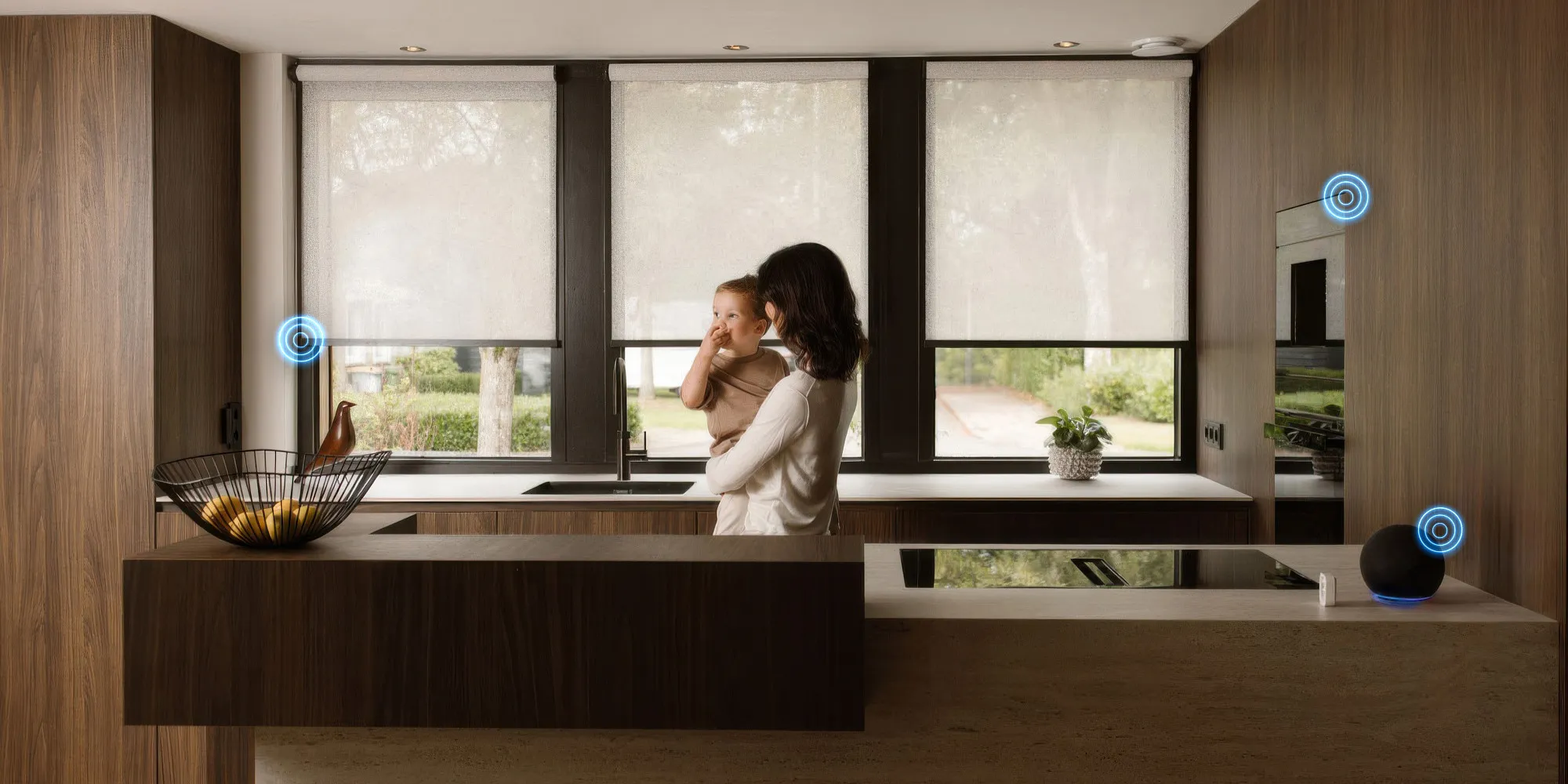
Modern external shading systems can be adapted to various control methods – from manual to fully automated. Manual solutions are more affordable, but require the physical presence of the user. Motor drives allow for easy control at the push of a button, via a remote control or a mobile app.
Modern systems allow you to set schedules based on the time of day or weather conditions. Light, wind and rain sensors enable fully automatic operation of blinds, which increases energy efficiency and protects the system from damage in adverse weather conditions. Connecting to other smart home devices allows for a high level of personalization and comfort.
Installation and maintenance of outdoor blinds
Proper installation is key to ensuring optimal performance and long service life. Installation should be carried out by a professional, as it is necessary to take into account the load-bearing capacity of the substrate, the accuracy of installation and exposure to weather conditions. Incorrect installation can cause increased wear, vibration in the wind and poor functionality.
Regular maintenance extends the life of outdoor blinds. It is recommended to inspect the mechanisms at least once a year, clean the surfaces with mild detergents and regularly remove dust or dirt. In the case of an electric drive, it is essential to check the operation of the motor and any power supply disturbances. For wooden blinds, it is recommended to apply a protective coating from time to time to preserve their structure and color.
Visual impact and aesthetic adaptability
Exterior window blinds also have a significant impact on the exterior appearance of a building. Modern blinds are available in a variety of colors, shapes, and materials, allowing for a high degree of customization to architectural styles. It is possible to create a modern minimalist look or choose classic details that complement a traditional facade.
New technology also allows for the production of slats and fabrics in custom shades that match the windows and facade colors. Properly placed blinds also improve the value of the property, as they combine functionality and appearance. In addition to aesthetics, they provide additional privacy, which is increasingly appreciated, especially in urban environments with close neighbor relationships.