Are you looking for external blinds that combine energy efficiency, light control and a stylish look? In this comprehensive guide you will find everything – from slat versions (C, T, S, Z), control methods (manual, electric, smart, solar), different installation methods (surface-mounted, flush-mounted, retractable rails) to indicative prices and maintenance tips. Discover how to choose the best blind for your home or office and ensure maximum comfort and aesthetic perfection.
What are external blinds and why do they make sense?
External blinds are blinds installed on the outside of windows or doors, consisting of horizontal slats that can be raised, lowered and tilted for optimal light control and privacy.
They allow natural light to pass through even when they are lowered, which is a big advantage over other blinds. They also reduce overheating in rooms by reflecting sunny heat even before the glass, but they can also act as thermal insulation in winter.
ADVANTAGES OF EXTERNAL BLINDS
External blinds have several advantages over other types of blinds, including:
- Light and privacy control: The adjustable tilt of the slats allows you to adjust the light without sacrificing privacy.
- Heat protection: They reduce heat input in summer and provide additional insulation in winter.
- Weather resistance: High-quality slats withstand wind and rain perfectly.
- Aesthetics: They are available in various RAL colors and combinations with the facade design.
- Endurance: Aluminum slats are easy to clean, resistant and durable.
MORE ABOUT BLINDS
Exterior blinds or roller shutters?
Roller blinds do provide exceptional blackout and a significant increase in security, while venetian blinds offer precise electronic or manual light control for optimal comfort and an elegant look. The Z-slat design, equipped with a rubber seal, allows for almost complete blackout of the room, while also improving sound insulation and quiet operation when opening and closing.
Although roller shutters remain the strongest protection against light and unwanted views, Z-slats bring aesthetics, convenience in adjusting to the season and weather conditions, and satisfy both the functional and design needs of your home.
TYPES OF DESIGNS AND INSTALLATION
SURFACE MOUNTING
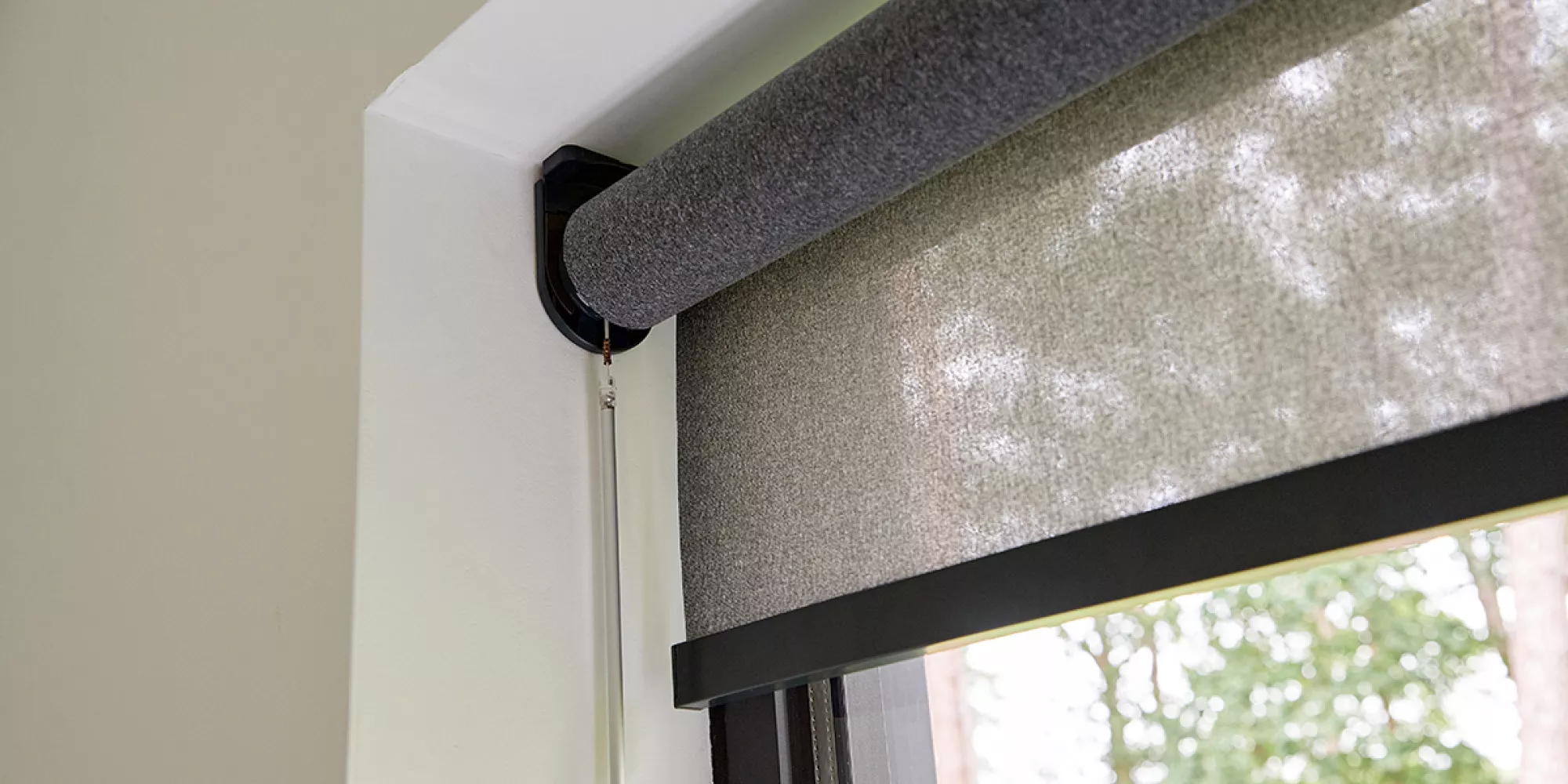
With surface-mounted installation, the cabinet and rails are mounted directly on the existing facade or under the window opening, making it a very practical solution for adaptations and renovations. The entire system is immediately usable, and the mechanism is easily accessible for maintenance, repairs or motor replacement.
Although the cabinet is visible, the cleverly chosen design and color coordination with the facade allow for aesthetic integration. It is also suitable for panoramic windows where flexible shading is desired without major construction interventions.
CONCEALED INSTALLATION
Flush-mounted installation means that the external blinds' box is hidden under the facade layer, giving it a very discreet, almost invisible appearance when the blind is raised. This approach requires careful planning and an appropriate facade thickness, as there must be enough space for the insulation and the box to prevent thermal bridges.
It is ideal for new construction and major renovations of buildings, as it provides a superior aesthetic result and additional protection against weather influences, although access to the mechanism is somewhat more challenging.
Submersible guides
In a system with recessed rails, the blind rails – often like the Invisa or ADUT system – are directed into pre-prepared grooves in the facade, allowing the cabinet and rails to be completely hidden when the blind is raised.
It is a highly aesthetic solution that creates a clean, minimalist look, as the shade practically “doesn’t exist” when not in use. It is particularly suitable for new builds where planning can be done in advance, and is an excellent choice for those looking for a hidden, discreet system with no visible shade elements.
SHAPES OF LAMPES AND THEIR CHARACTERISTICS
The slats of external blinds are a key element that affects the shading, aesthetics and functionality of your home. Different slat shapes – C, T, S or Z – offer various advantages, such as robustness, compactness, soft light or maximum blackout. Choosing the right slat ensures optimal light control, sound insulation and easy maintenance, while complementing the appearance of your building.
- C-lamella (C80) – classic, robust and easy to clean.
- T-slat (T80) – technologically advanced, less volume – compact solution.
- S-lamella – soft light, excellent sound insulation and tight gaps.
- Z-slat (Z90) – maximum blackout, good wind resistance due to rubber seal.
MODES, CONTROL AND AUTOMATION OF EXTERNAL BLINDS
External blinds can be controlled in several ways, allowing you to adapt them to your needs and lifestyle:
- Manual operation – The classic way via a single control or stick, affordable and easy to use. Ideal for those who do not want additional electrical wiring.
- Electric control – Switch or remote-controlled motors offer convenience and easy control of multiple individual blinds at the same time, suitable for larger facilities.
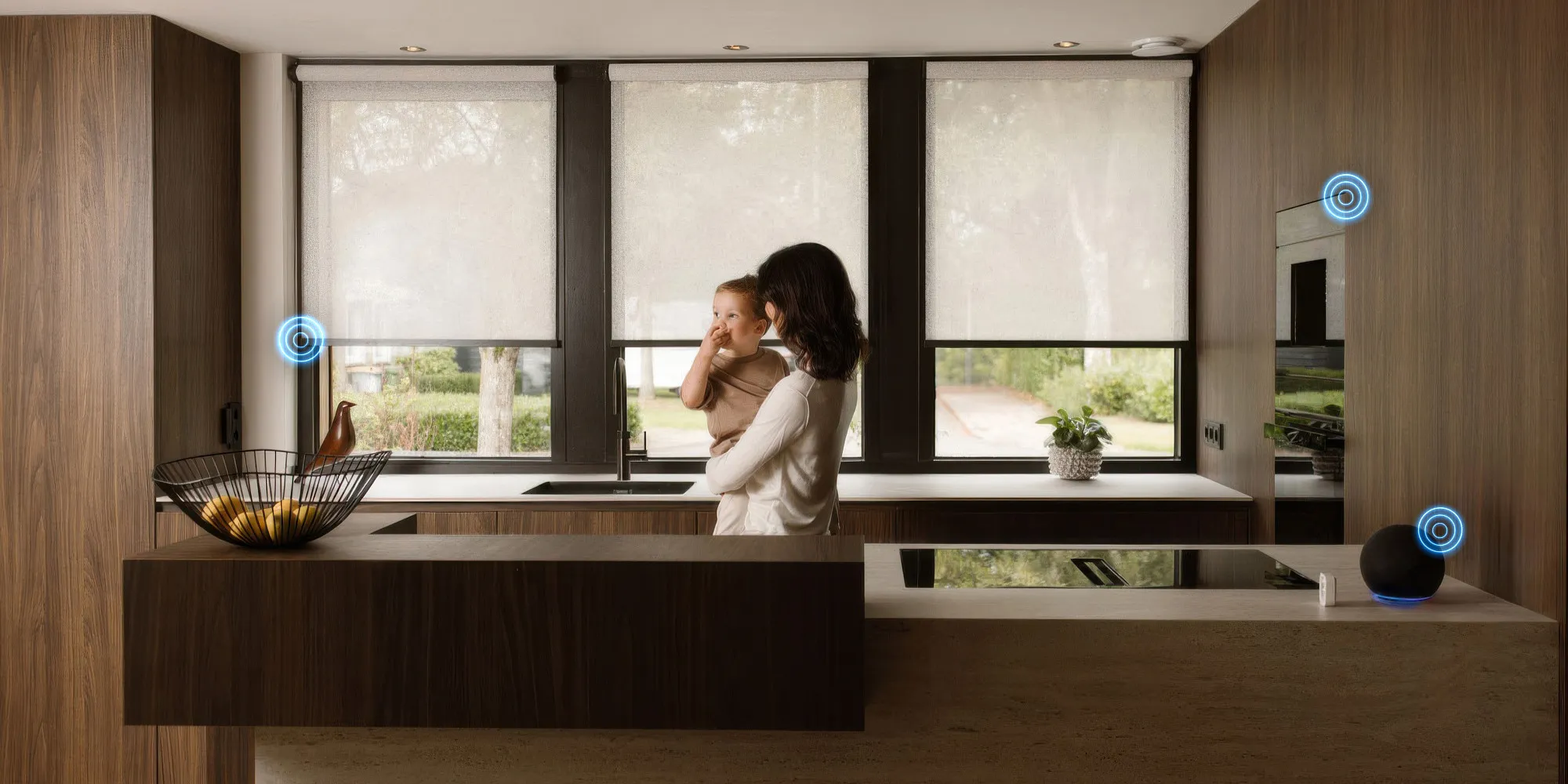
- Smart home – Integrated light sensors, timers and apps enable automation based on time, weather or temperature; control via smart systems such as Siri, Google Home, Alexa or HomeKit.
- Solar powered – A wireless and environmentally friendly solution where the electric motor runs on solar energy; an ideal choice for easy installation without additional cables.
Price and factors affecting it
Typical prices for external blinds range from €63 – €160 per piece or €110 – €150/m² for flush-mounted systems. The cost depends on:
- Installation type (surface-mounted/concealed)
- Slat shapes (C, T, S, Z)
- Management methods
- Materials and colors
- Limitations, additions and forms
The motor and automation increase the price further, but they bring comfort and functionality.
How to choose the right external blinds?
- Determine the type of building and installation - renovation or new construction.
- Choose the shape of the slats based on light, dimming and resistance.
- Choose the control method – manual, electric, smart or solar.
- Match the color to the object.
- Make sure you get accurate measurements and professional advice.
- For optimal performance, choose quality installation, spare parts and service.
Maintenance and lifespan
The external materials of the blinds allow for easy maintenance - it is enough to regularly wipe or vacuum them with a soft cloth, without aggressive cleaning agents, to protect the paintwork and the surface. An annual service is recommended, which includes an inspection of the guides, motor and system for smooth operation.
Electrical systems require periodic checks of connections, control units and switching off for cleaning. In case of strong gusts of wind, we recommend that you raise the blinds to the upper position, otherwise there is a risk of damage to the slats or guides. Proper care and regular inspections extend the life and operation of the system.
AN INVESTMENT FOR EVERY HOME
Blinds are a great investment for any home, as they combine aesthetics, functionality and long-term value.
With precise control of light and privacy, they allow you to tailor the ambiance to your needs, while providing protection from prying eyes from the outside. From an energy perspective, they act as insulation: they block excessive solar radiation in the summer and retain heat in the winter, which can reduce energy costs by up to 30%.
High-quality materials such as aluminum, wood or PVC ensure durability and easy cleaning - dust can be easily wiped off, without replacement or special cleaning agents. They also have aesthetic importance in the market; well-chosen and professionally installed blinds in good condition enhance the impression of a tidy home and can increase the value of the property by 1-3 %.