Window shades are essential for comfort, privacy and energy efficiency. Discover interior and exterior shades, comparison, benefits and practical tips for the optimal choice.
Why choose window blinds?
Thermal efficiency and overheating protection
Light control and privacy
Soundproofing and safety
Aesthetic and decorative effect
Types of window blinds
Interior blinds
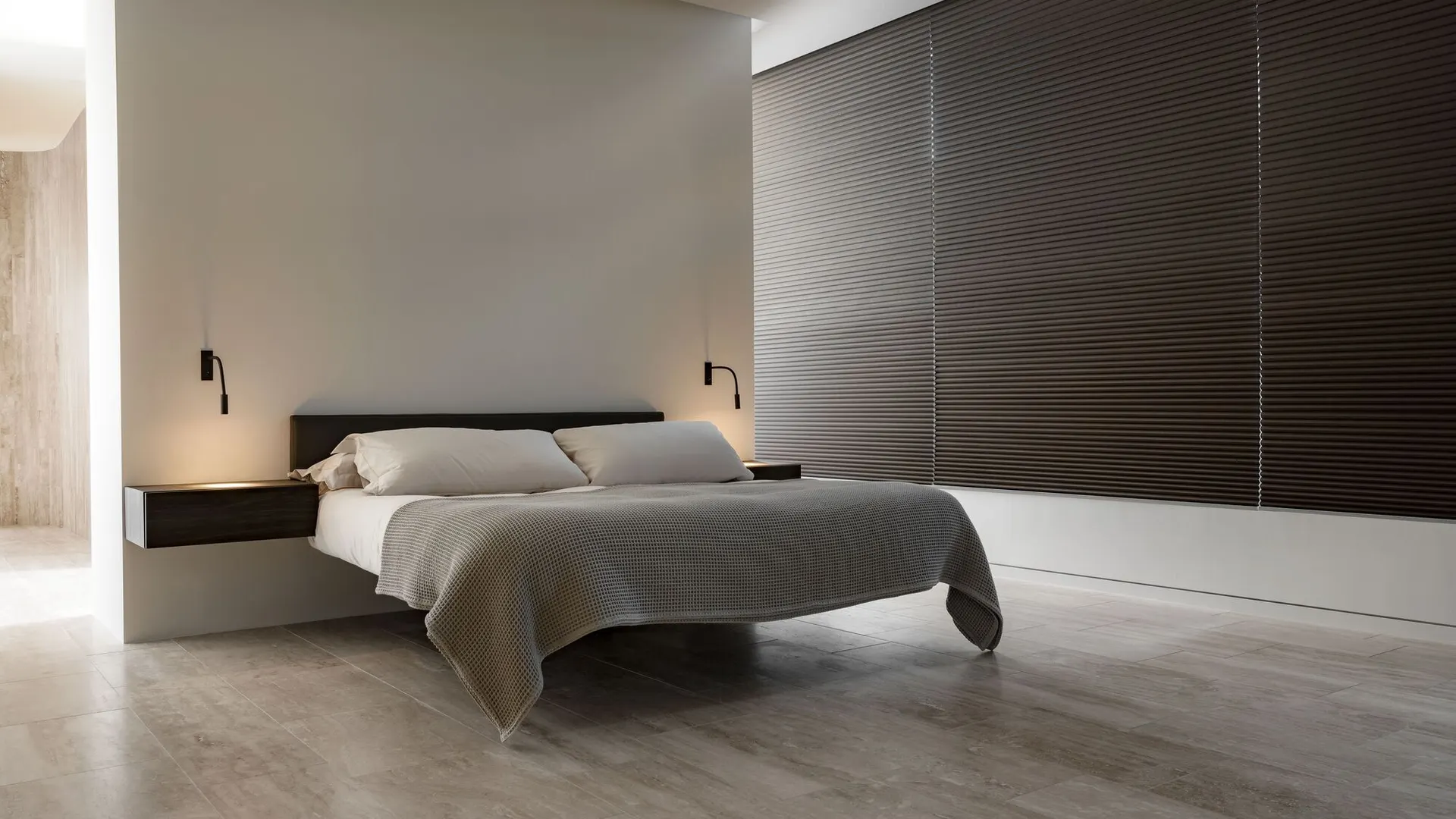
- Pleated blinds: double-layer fabric with a metallized layer, honeycomb structure – well insulating, decorative and allows for dimming with sufficient light.
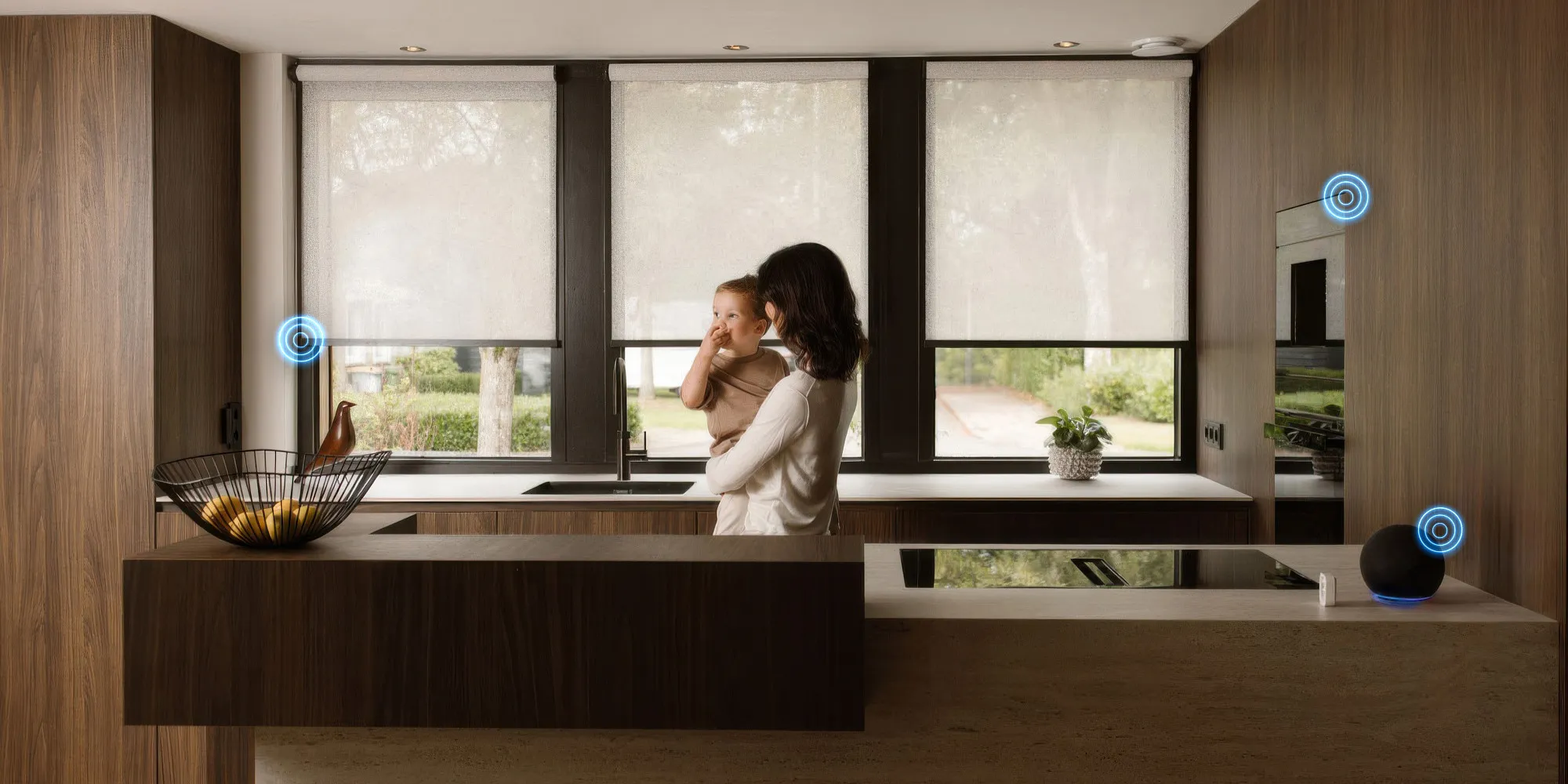
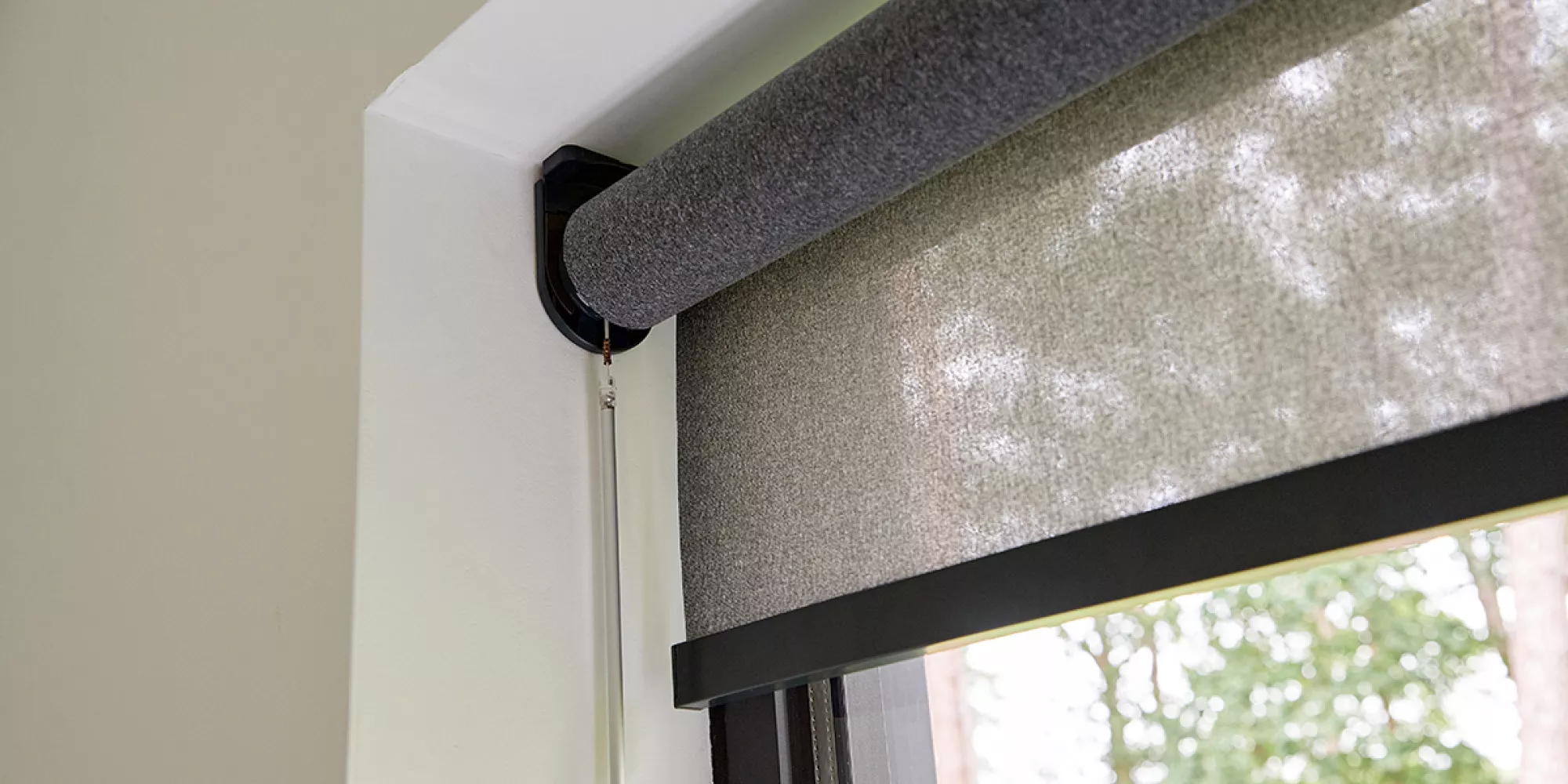
- Screen roller: mesh fabric (fiber, PVC, polyurethane) that retains heat and shades the space, while allowing a view outside. Ideal for commercial and residential spaces.
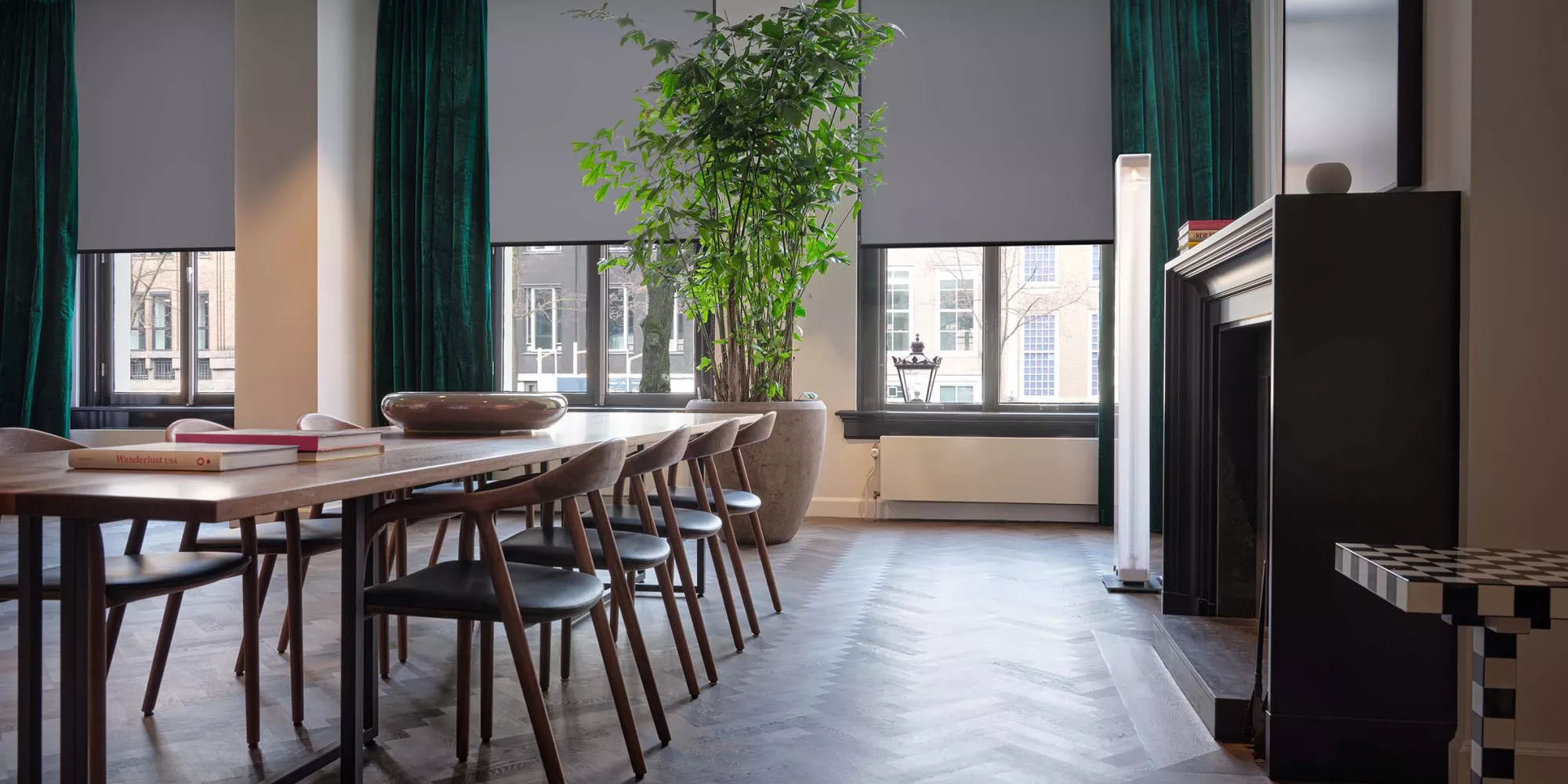
- Interior blinds / roller blinds: Aluminum or wooden-edged slats are a solid choice for darkening and inexpensive room decoration. The insulation is low.
Outdoor blinds
- External blinds: They allow light control by tilting the slats, reduce glass heating and provide insulation and privacy.
- External roller shutters: often filled with insulating foam, for complete blackout, heat insulation and sound insulation. Suitable for bedrooms and ground floor rooms.
- Screen blinds of the external type: Mesh and perforated fabrics with low light transmission offer shading without complete blackout.
Comparison of indoor and outdoor blinds
| Property | Interior blinds | Outdoor blinds |
|---|---|---|
| Heat protection (summer) | ~15–20 % | |
| Sound insulation | Basic | Better, thanks to the outer layers |
| Privacy | Good, but from the inside | Complete or staged |
| Maintenance | Regular dust cleaning | More common due to external influences |
| Price | Lower | Higher investment |
| Interior aesthetics | Wide range of designs | Greater role of facade and external appearance |
How to choose the right shade for your window
Window location and orientation
- For windows on the south or west side, exposed to strong sunlight, external shades provide greater benefits.
- In shady or interior spaces, interior blinds may be sufficient.
Desired level of light and privacy
- For complete blackout (e.g. bedroom), external roller blinds are suitable.
- For flexible shading and room decoration, pleated or interior-type roller blinds are suitable.
Energy efficiency
- If the goal is to reduce cooling and heating costs, exterior blinds offer greater benefit.
- Pleated fabrics and interior roller blinds can supplement thermal insulation during the winter months.
Shade combinations
- The combination can add aesthetic value (external blinds + internal decorative blinds).
- For practical functionality, one shade is often sufficient – choose based on need and priority.
Shade maintenance
Cleaning according to the type of blind
- Pleated blinds and textile shades: Simply wipe with a damp cloth; washing is not recommended, which may lead to deformation.
- Interior blinds and slatted shutters: Regular dust removal is necessary.
- External blinds: It is essential to clean the lower and outer surfaces and regularly check the mechanisms for weather effects.
Regular inspections and care of blinds
- It is necessary to regularly check the operation of the slats, guides, control and possible damage.
- Servicing is usually on the part of the person who distributes the system.
Frequently Asked Questions (FAQ)
- Can I combine indoor and outdoor blinds?
Yes, combinations (e.g. external roller blinds + internal pleated blinds) provide decoration, additional insulation and flexible light control. However, a set is not always necessary; one type is often sufficient for functionality. - How do blinds affect the energy efficiency of a home?
External blinds prevent overheating in summer and heat loss in winter – reducing cooling and heating costs. Internal blinds and roller blinds improve insulation in colder months. - Do blinds protect against noise?
External blinds provide additional noise protection by preventing sound from entering in front of the glass. Internal blinds only offer basic sound insulation.
Window blinds are both useful and aesthetic
- Do you need maximum sun protection and energy efficiency? → Outdoor blinds.
- Do you want elegant decoration and basic shading? → Interior blinds.
- A combination of both – an aesthetic and functional compromise.